



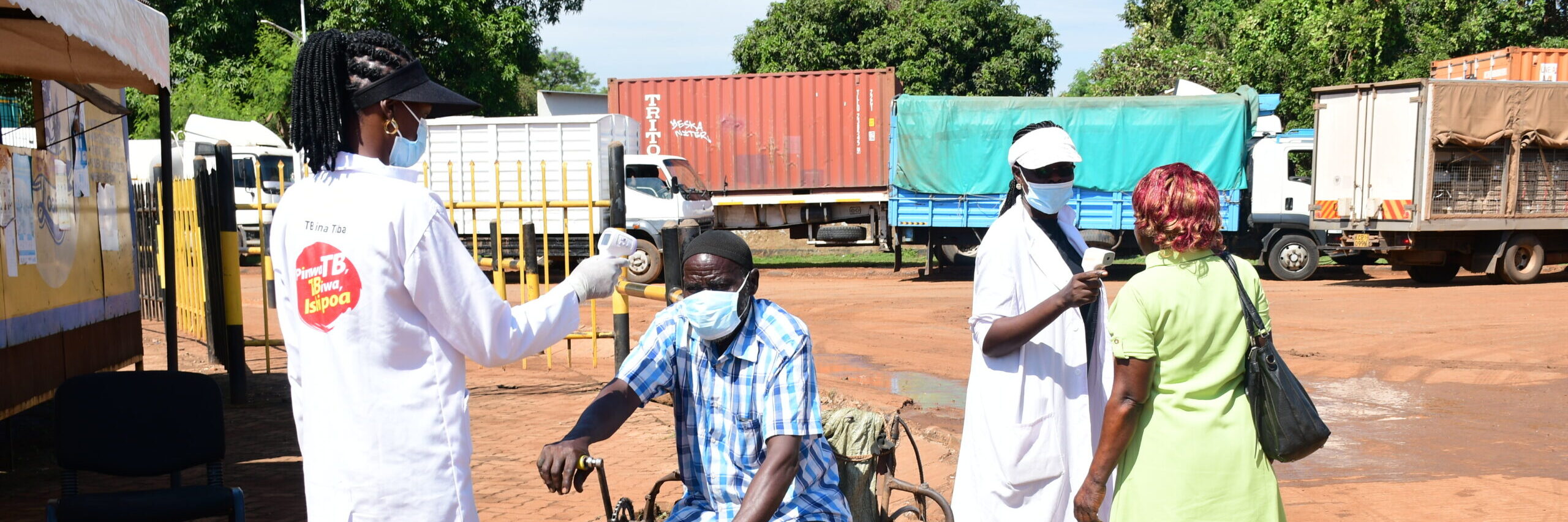
Picture a busy border post like Kasumbalesa, between Zambia and DRC. It is dusk. Then, a female trader shows up at the screening booth, carrying goods and caring for an unwell child. She is exhausted and hesitant, and she notices the line is staffed entirely by male officers and the screening takes place in full view of the crowd. She is uncomfortable disclosing her symptoms publicly or explaining her child’s fever to a male staff. She steps out of line, and ends up delaying medical checks.
This is a real-life scenario that happens daily along transit corridors in our region. It also shows why health emergencies hit women differently. Recent 2026 reporting highlights that women and girls represent over 53% of laboratory-confirmed Ebola Virus Disease (EVD) cases in ongoing outbreaks in the DRC and Uganda, with adolescent girls accounting for over 61% of confirmed cases. Women are not biologically more susceptible to Ebola; their disproportionate risk is tied directly to caregiving roles at home, in health facilities, and across communities.
At border Points of Entry (PoE), traditional emergency readiness often neglects these social dynamics. Cultural norms heavily influence who reports symptoms, who can safely seek care, and who accesses screening. Furthermore, emergency response structures frequently exclude women from core leadership and decision-making roles, treating their health security needs as an afterthought.
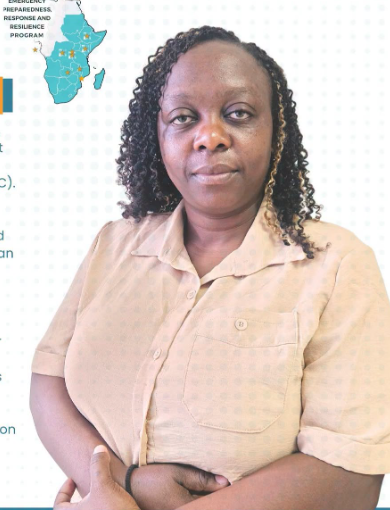
As a Gender and Equity Specialist at the East, Central and Southern Africa Health Community (ECSA-HC), I am part of the expert team at the borders supporting Strengthening Cross-Border Ebola Preparedness and Response at High-Risk Points of Entry in Eastern, Central and Southern Africa. I am noticing what should be fixed as we tackle these health emergencies going forward.
At this point, I recommend that we systematically integrate gender and equity across core technical areas, including surveillance, Infection Prevention and control, WASH, lab testing, and risk communication. Preparedness requires well-structured contingency plans, sex-disaggregated data analysis, properly sized Personal Protective Equipment (PPE), and private screening spaces to guarantee confidential referral pathways.
For the past 10 days that I have spent at the border, I have equipped the team from DRC and Zambia with is a comprehensive framework to operationalize gender-responsive approaches during preparedness and simulation exercises. This includes standard procedures for confidential reporting of gender-based violence (GBV) and safeguarding, multi-sized PPE inventory management, gender-inclusive shift rosters, and practical indicators to audit physical PoE operations so that no traveler or responder is left vulnerable. It’s key we look at health emergency preparedness with a gender lens.
About the Author