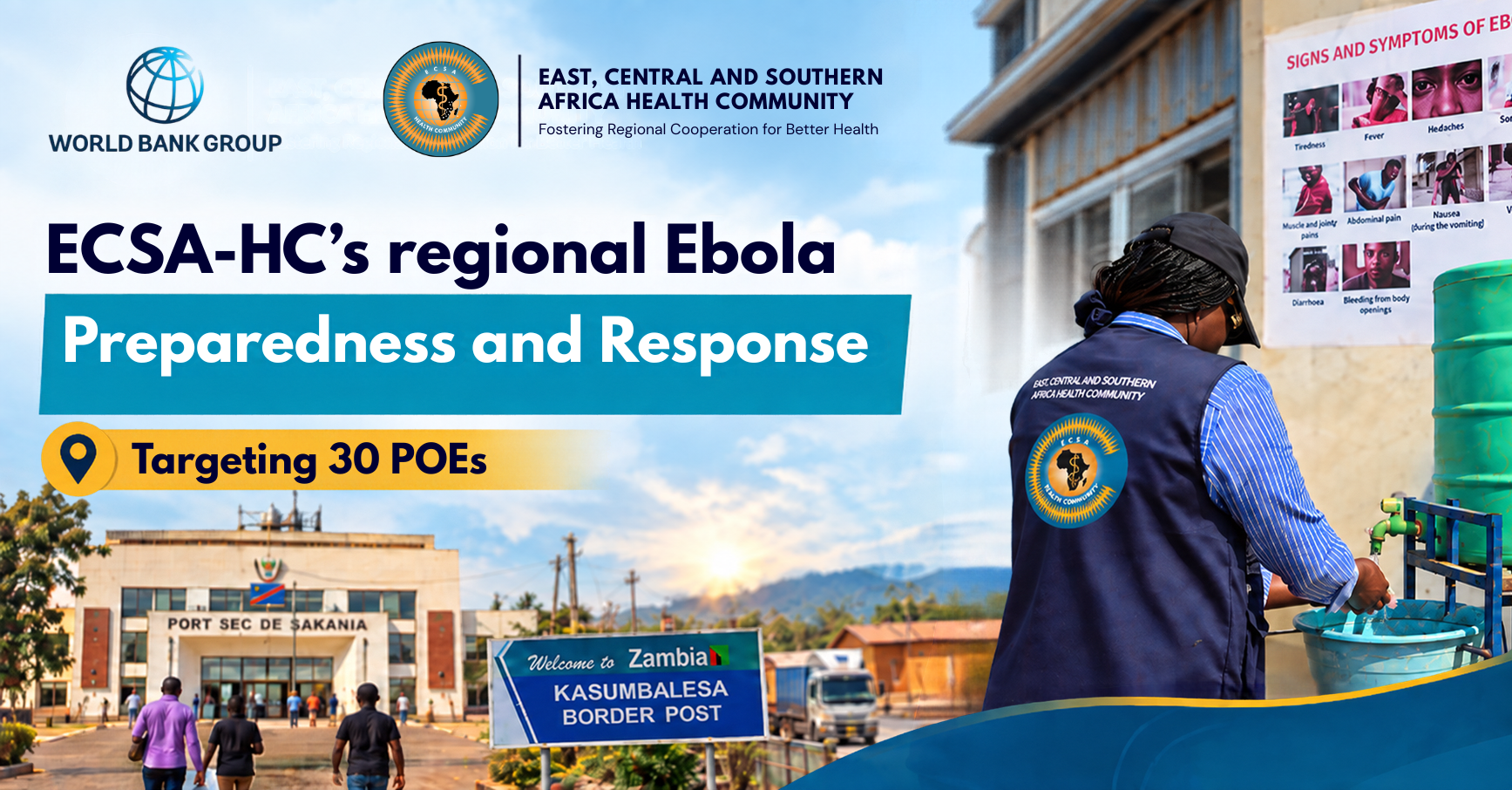
The East, Central and Southern Africa Health Community (ECSA-HC) is implementing a six-month intervention to…
Strengthening Regional Outbreak Response: ECSA-HC Hosts 7-1-7 Early Action Review Training in Nairobi
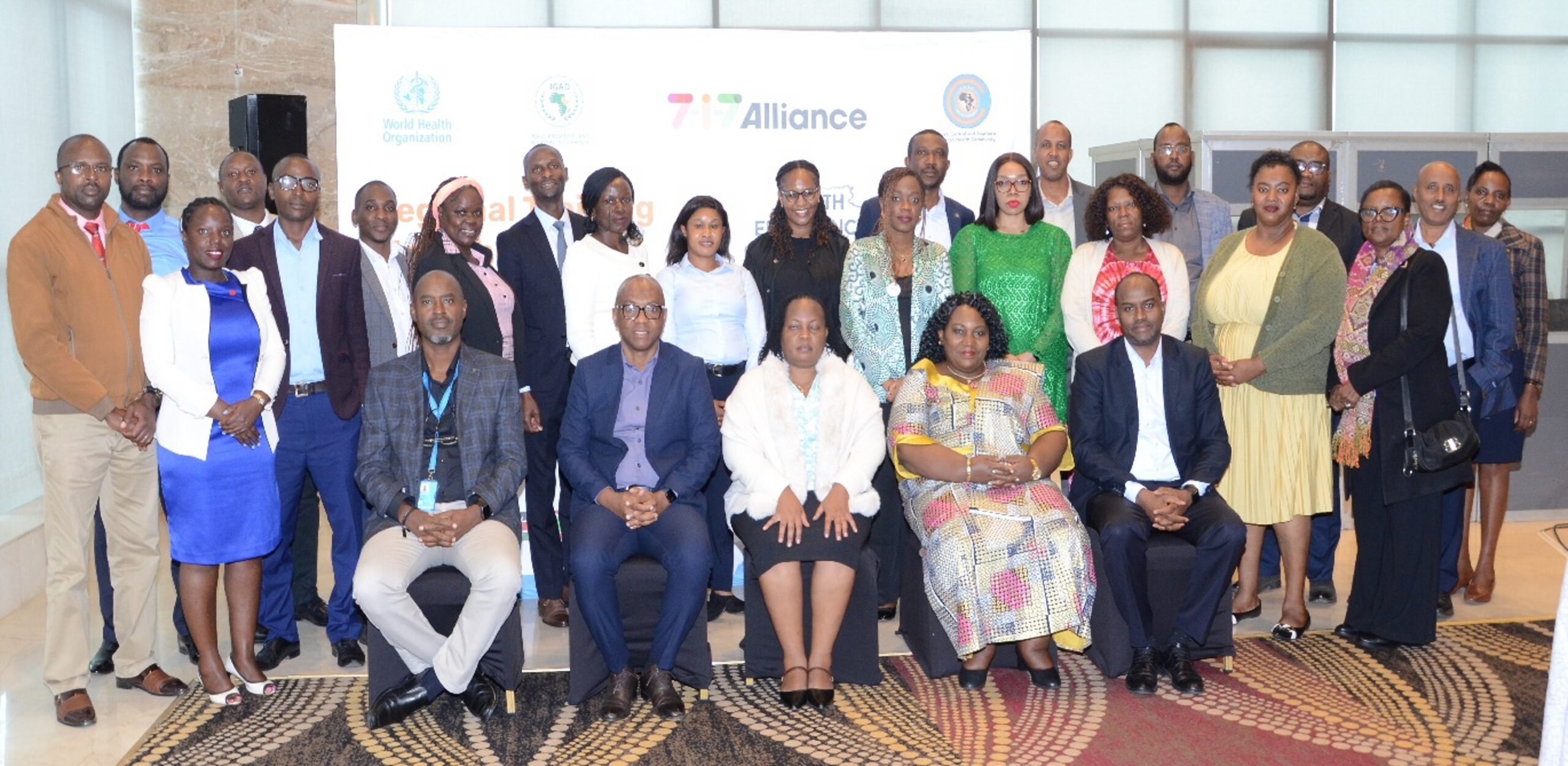
Nairobi, Kenya | July 8–11, 2025
The East, Central and Southern Africa Health Community (ECSA-HC), in collaboration with IGAD, the World Health Organization (WHO), and Resolve to Save Lives, convened a Regional Training Workshop on Early Action Review (EAR) using the 7-1-7 approach from 8th to 11th July 2025 in Nairobi, Kenya.
This vital workshop brought together over 20 public health professionals from Zambia, Malawi, São Tomé and Príncipe, Burundi, the Democratic Republic of Congo, Kenya, and Ethiopia—all working to strengthen outbreak preparedness and response capacities using performance-based tools and peer learning.
What is the 7-1-7 Framework?
The 7-1-7 target is a global benchmark that calls for:
-
Detecting outbreaks within 7 days
-
Notifying authorities within 1 day
-
Initiating an effective response within 7 days
The 7-1-7 model ensures timely public health action to reduce the impact of infectious disease outbreaks.
Workshop Highlights
Over four days, participants engaged in:
-
Introduction to EAR and the 7-1-7 approach
-
Bottleneck and enabler mapping
-
Real-life cholera outbreak case studies
-
Data collection for timeliness metrics
-
Country-level implementation and planning
The workshop included group exercises, simulation scenarios, and peer exchange sessions to strengthen national and regional emergency response systems.
Towards Regional Resilience
The training is part of the Health Emergency Preparedness, Response, and Resilience (HEPRR) Project, a World Bank–funded initiative aimed at building robust, responsive health systems across the region. Through this workshop, participating countries developed actionable roadmaps to integrate EAR into national frameworks and routine surveillance systems.
A standout moment was the Country Presentation Session, where Ministries of Health showcased their surveillance structures, shared lessons from past outbreaks, and explored avenues for deeper regional collaboration
Moving Forward
As outbreaks become more frequent and complex, the 7-1-7 framework provides a strategic foundation for quicker, more coordinated responses. This regional training marks a critical milestone in building stronger, more connected health emergency systems across East, Central, and Southern Africa.
Related News