




Imagine a busy border crossing in the Great Lakes region or along the corridors of East Africa. Hundreds of traders, students, and seasonal workers move between nations every hour, working to sustain local economies and familial ties. Now, take a situation where a single individual among them is carrying a fever that is not malaria, but the first spark of a Viral Hemorrhagic Fever or a new strain of Mpox. Within days, that single crossing becomes a gateway for a silent traveler that does not carry a passport and does not recognize the sovereignty of national maps. As the pathogen spreads, markets close, schools empty, and the regional economy begins to hemorrhage. This is the recurring nightmare of public health in Africa, a scenario where a localized health event in one district becomes a continental crisis because our defenses stop exactly where the border post begins.
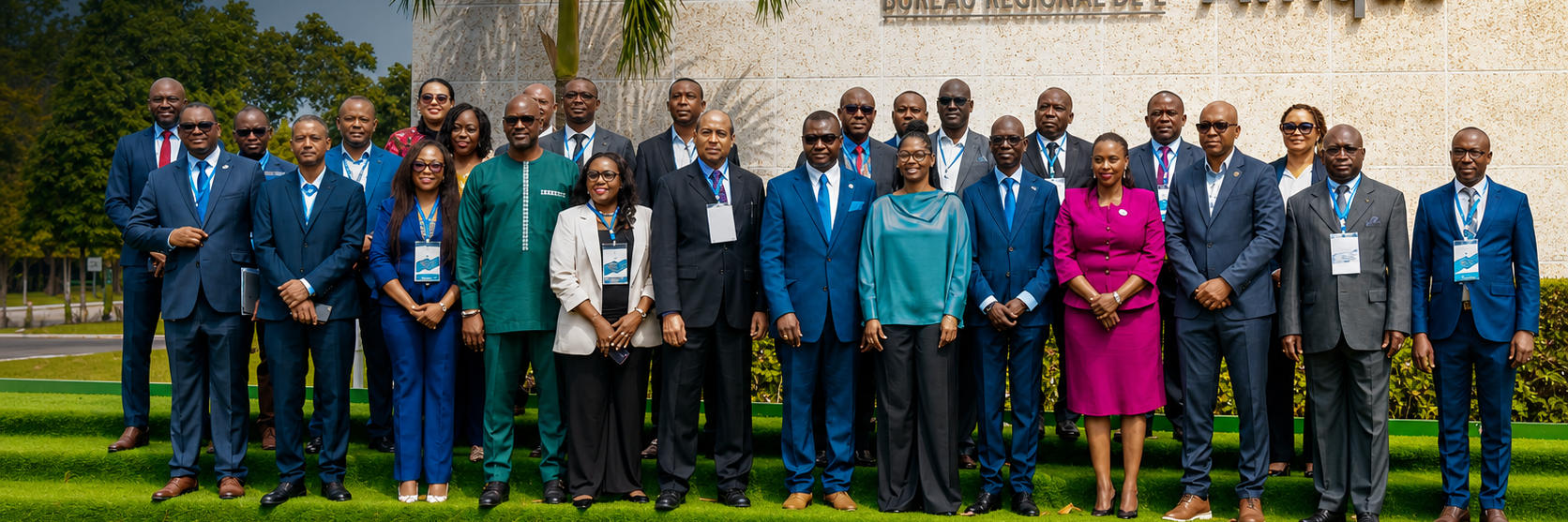
It is within this context that this week’s Consultative Meeting of Permanent Secretaries on Cross-Border Collaboration for Health Security took place at the WHO Regional Office for Africa. This was an opportune, decisive moment to move from reactive firefighting to being proactive, systemic, with resilience. As we manage the complexities of concurrent outbreaks, from the persistent threat of Cholera to the evolving Mpox emergency, we must bear in mind that a virus is mobile, yet our surveillance data often remains trapped in national silos. The pathogen is fast, yet our joint response is often slowed by, at times, administrative and logistical barriers.
That’s exactly why I commend the step for joint efforts among our twelve Member States, including the Democratic Republic of Congo, Ethiopia, Kenya, and Zambia. This effort represents the legal and operational architecture required to dismantle these silos, through a strategic Memorandum of Understanding. This framework is a strategic necessity because health security is, by definition, a collective responsibility. According to the World Health Organization (WHO), the African region experiences over 100 health emergencies annually. While the International Health Regulations (IHR 2005) have provided a solid foundation for national capacity building, the last mile of global health security often fails at the border. Without a structured framework for governance and data sharing, we are essentially fighting a regional war with fragmented intelligence.
Central to bridging this gap is the World Bank-funded Health Emergency Preparedness, Response and Resilience (HEPRR) Program which I coordinate in 11 countries in the region. It has become a critical engine of transformation. The HEPRR Program, implemented by the East, Central and Southern Africa Health Community (ECSA-HC) and IGAD, is demonstrating how important this regional solidarity is. This move is also supported by Africa CDC, and it is moving beyond rhetoric to provide the tangible resources needed for regional integration. The program is specifically designed to address the “golden hour” of an outbreak, those first few days when a rapid, coordinated response can prevent a local cluster from becoming a pandemic. By funding the harmonization of data systems and supporting multisectoral One Health strategies, the HEPRR Program ensures that when a threat is detected in one country, the neighboring health system is not just informed, but is already strategically aligned to respond.
We have been supporting such activities for countries like Ethiopia, Burundi, Kenya, Malawi, and Zambia and facilitated cross-border deployment of public health specialists and advocates for the free-of-charge customs clearance of emergency medical materials. These are the practical, often overlooked hurdles that cost lives during emergencies. By removing the bureaucratic red tape that prevents a vaccine or a diagnostic kit from crossing a border during a crisis, the program is effectively creating a regional safety net.
This is the essence of the “Resilience” component of the HEPRR mandate, building systems that are flexible enough to withstand shocks and coordinated enough to absorb them collectively.
Furthermore, the Africa CDC’s New Public Health Order emphasizes that African nations must lead their own health agendas. This MoU aligns perfectly with that vision by institutionalizing technical cooperation. It moves us away from ad-hoc agreements made in the heat of a crisis toward a permanent, five-year commitment to joint preparedness. This includes synchronized immunization campaigns and standardized case management procedures. When a clinician in South Sudan treats a patient using the same protocols as a clinician in Northern Kenya, the regional response becomes a seamless web rather than a patchwork quilt. This level of operational alignment is what the HEPRR Program seeks to cement through its ongoing technical and financial assistance.
However, the transition from a technical draft to a functional reality requires more than just funding; it requires the political ownership of the Permanent Secretaries who lead our health ministries. As technical experts, we can design the most sophisticated surveillance systems, but without the legal and institutional “buy-in” from national leadership, these systems will remain dormant. The Permanent Secretaries hold the key to ensuring that this MoU reflects the institutional realities and legal requirements of their respective nations. Their leadership is the catalyst required to move this process toward formal ministerial endorsement and, eventually, practical operationalization on the ground.
We are no longer just preparing for the next outbreak; we are building a regional health infrastructure that is as interconnected as the communities it serves.
About the Author