



For African food systems to truly transform, regional policy must move from the boardroom to the bottom line. Bridging the gap between theory and practice is no longer optional, it is essential. Experience across our member states suggests that the next frontier of progress lies in moving beyond surface-level consultation toward a more integrated model of engagement, one where all stakeholders including Civil Society Organizations are embraced as essential partners,however to fully realize this potential, we must collectively address the underlying bottlenecks that can sometimes hinder our pace. The challenge now is to determine how governments and CSOs can best synchronize their efforts to dismantle the structural bottlenecks that impede nutrition security across the region.
While time is spent debating data and responsibility, the nutritional challenges facing our communities remain urgent and require immediate, unified action. According to recent World Health Organization (WHO) data, the African region continues to face a triple burden of malnutrition, where undernutrition persists alongside a rising tide of diet-related non-communicable diseases (NCDs)and micronutrient deficiencies. The 2025 Global Nutrition Report underscored that without a radical shift in how we hold each other accountable, many of our countries in the region will still struggle to be on course for the Sustainable Development Goal targets and many other commitments around nutrition outcomes.
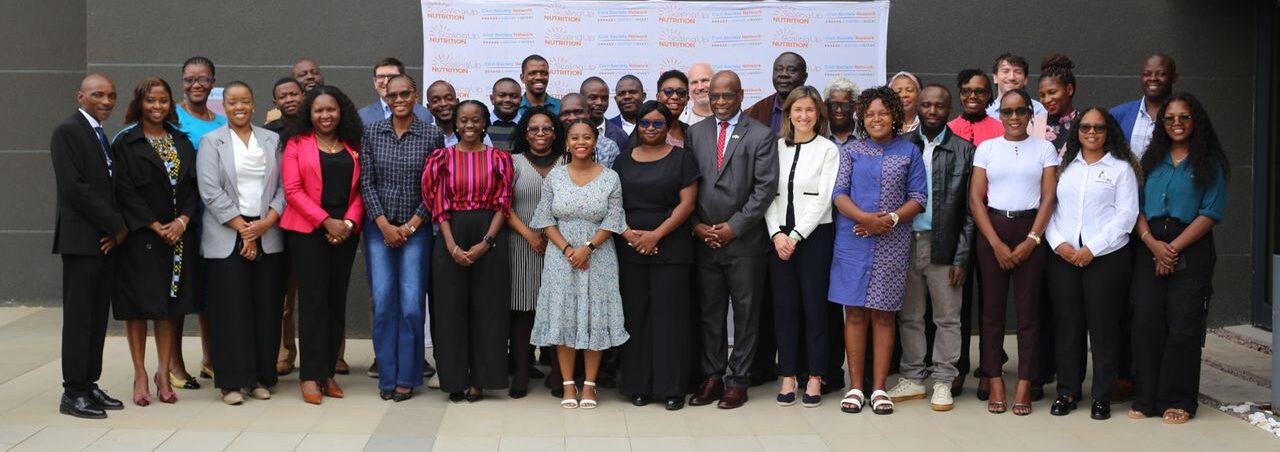
During the recent convening in Gaborone from March 2–6, 2026 by the Scaling Up Nutrition Civil Society Network (SUN CSN -ECSA). The East, Central and Southern Africa Health Community (ECSA-HC) participated under the framework of the MOU with SUN-CSN-ESA to accelerate the commitment and work with countries on the Nutrition for Growth (N4G) Accountability. This was not merely another conference; it was a deliberate move toward mutual accountability.
Why continuous dialogue matters
The conversation with diverse civil society organizations from over 13 countries in the ESA region, and drawing on experiences brought from West African countries, enabled us to deliberate on structural bottlenecks towards progress to the commitments. This approach catalyzed a renewed focus on “South-to-South” cooperation reflecting on the peer-learning successes of 2025, including coordinated parliamentary engagement and budget analysis, made it clear that accountability is most effective when institutionalized.
In an era of increasingly diverse sources of information and data, it is essential to strengthen collaboration and jointly report on accountable indicators of progress and impact. Doing so ensures that learning, evidence and oversight are shared across civil society organizations, governments and the broader spectrum of stakeholders, reinforcing both trust and systemic effectiveness.
The experience underscored a vital lesson: to strengthen food systems, we must continue fostering robust engagement between all key players including the civil society organizations, governments and the wider ecosystem. Through sustained dialogue, mutual accountability and collaborative problem-solving can translate commitments into lasting and systemic impact.
This is the challenge we are facing in the East, Central, and Southern Africa (ECSA) region. We are battling a dire shortage of specialized human resources for health, yet we are self-sabotaging our ability to share the talent we do have. As the Senior Program Officer at the East, Central and Southern Africa College of Nursing and Midwifery (ECSACONM), I believe the solution lies in a radical shift toward regional standardization.
Beyond Dialogue: A Roadmap for the Region
The success of the Gaborone meeting will not be measured by the quality of our deliberations, but by the rigor of our actions. We transitioned from dialogue to the development of country-specific advocacy plans. These plans are rooted in the reality that nutrition is a cross-cutting issue that sits at the intersection of agriculture, health, finance and education and beyond
By involving regional bodies like the Southern African Development Community (SADC) and the United Nations as part of the conversation, we signaled that nutrition security is a matter of regional stability. A hungry or malnourished population cannot drive economic growth. Conversely, a food system that prioritizes nutrition security is the ultimate engine for regional prosperity.
We are no longer just tracking promises; we are building the systems that ensure those promises are kept. For the children of the ECSA region, and for the health of our future generations, this is the only path forward.
About the Author