




Imagine a critical care unit in a regional hospital somewhere in Africa. Let’s call it Country A, where five beds sit empty, not for lack of patients, but for lack of specialized nurse to man them. Meanwhile, across a shared border in Country B, a cohort of highly skilled critical care nurses is searching for employment and their expertise is underutilized in a saturated domestic market. Do such scenarios exist? The answer is yes.
In an ideal situation, it means these nurses in country B would simply cross the border to fill the gap in Country A. But in our current reality, they are stopped by a bureaucratic system. Because the nursing curricula between these two neighbors are not harmonized, the nurse from Country B is told her qualifications are invalid in Country A. To practice, she must undergo years of costly re-training and additional examinations. While the paperwork sits on a desk, patients in Country A continue to die from preventable complications, especially those related to maternal and newborn health.
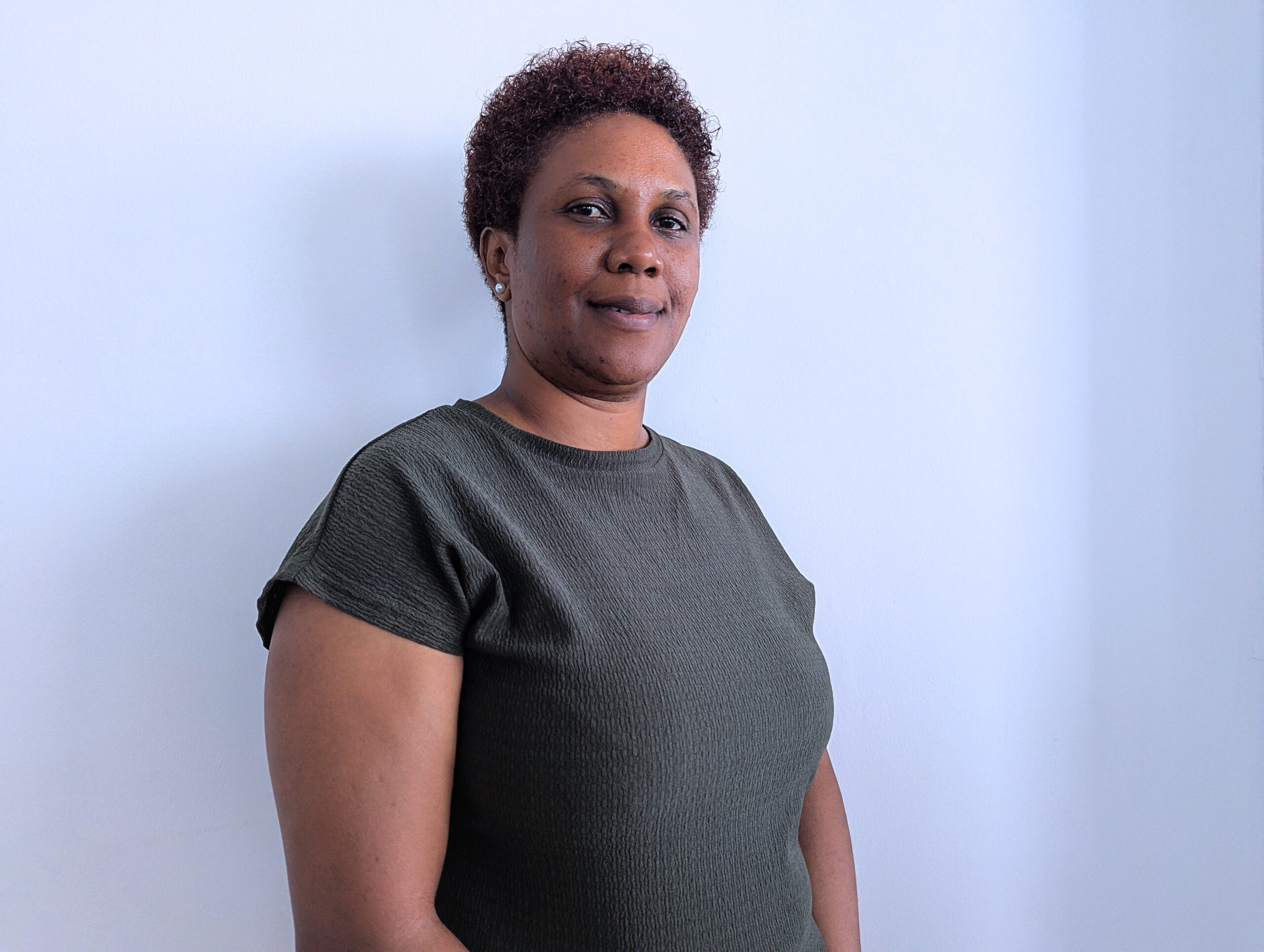
This is the challenge we are facing in the East, Central, and Southern Africa (ECSA) region. We are battling a dire shortage of specialized human resources for health, yet we are self-sabotaging our ability to share the talent we do have. As the Senior Program Officer at the East, Central and Southern Africa College of Nursing and Midwifery (ECSACONM), I believe the solution lies in a radical shift toward regional standardization.
Beyond General Nursing
Nurses have been known for a long time as our frontliners of our healthcare systems. To achieve Universal Health Coverage (UHC) and meet Sustainable Development Goal 3 (SDG 3), we must move beyond the “rotating nurse” model. Currently, in many of our facilities, a nurse might work in perioperative care today and be moved to labor and delivery tomorrow. This lack of specialization prevents the development of the deep technical expertise required to handle complex cases.
At ECSACONM, we have identified nine critical areas where specialization is no longer a luxury but a necessity: Midwifery, Critical Care, Chronic Disease Management, Perioperative Care, Anesthetics Care, Leadership and Management, Mental Health, Oncology and Neonatal Care.
Take maternal and neonatal mortality, for example. To cut down these numbers by 2030, we don’t just need “more nurses”; we need specialist midwives and neonatal nurses who can handle obstetric emergencies and stabilize premature infants with precision. Similarly, the COVID-19 pandemic taught us a bitter lesson that having a ventilator is useless if you do not have a specialized nurse trained in advanced resuscitation and respiratory support.
Our model: Innovation in Training
Since 2024, we have been pioneering a unique fellowship model designed to bridge this gap without fueling “brain drain.” Our approach is intentionally cost-effective and grounded in the local context.
First, we do not uproot nurses from their home countries. We train them in-situ by accrediting local facilities that meet our rigorous standards for equipment and mentorship. Our two-year program uses a blended approach: a foundation year of virtual learning led by regional faculty experts, followed by a full year of intensive, hands-on clinical practice.
By the time our first graduates receive their certificates this September, they will have completed a logbook of cases approved by specialized mentors. They aren’t just gaining a degree; they are gaining the confidence to save lives in the very communities where they live and work.
The Solution
The most transformative aspect of this initiative, however, is the Standardized Curriculum. When a nurse in Tanzania uses the exact same curriculum, learning materials, and assessment tools as a nurse in Kenya or Eswatini, we create a regional passport for healthcare skills.
Standardization addresses the Human Resource for Health (HRH) gap by allowing for seamless migration and support. If Seychelles faces a sudden surge in critical care needs, it should be able to pull specialists from a regional pool without legal or educational hurdles. Currently, the lack of harmony in regulation means that moving a nurse between member states is as difficult as moving them across continents. This must change.
What we expect to do in Kigali soon
Despite the clear benefits, we are facing challenges in national adoption. While students from across the region are flocking to our fellowship programs, many of their home governments have yet to formally accredit the curriculum or acknowledge the Fellow status in their national registries.
This is why our upcoming meeting in Kigali is a turning point. We are calling upon the Councils of Nursing and Midwifery and the Council of Higher Education from all member states to move beyond national protectionism toward regional integration.
The solution we are looking at is three-fold: First is Formal Accreditation: Member states must officially adopt the harmonized ECSACONM curricula to ensure that specialized training is recognized across borders. Registry Alignment: National regulators must create a pathway for “Fellows” to be registered as specialists, ensuring their salary and rank reflect their advanced expertise. Reciprocal Licensing: We must establish a framework where a regional certificate is sufficient for temporary or permanent practice in any member state during health emergencies or identified shortages.
We cannot continue to depend solely on doctors who are spread far too thin. We have a vast army of dedicated nurses and midwives ready to step up. By harmonizing our standards, we aren’t just making it easier for nurses and midwives to move; we are making it possible for life-saving care to reach the “last mile.”
The borders on our maps should not be the reason a child dies for lack of a neonatal specialist. It is time to tear down the bureaucratic walls and build a regional health workforce that is as mobile and resilient as the challenges we face.
About the Author