The East, Central and Southern Africa Health Community (ECSA-HC) is pleased to announce a consultancy…
The 15th ECSA-HC Best Practices Forum: Advancing Equity, Resilience & Sustainability in Regional Health
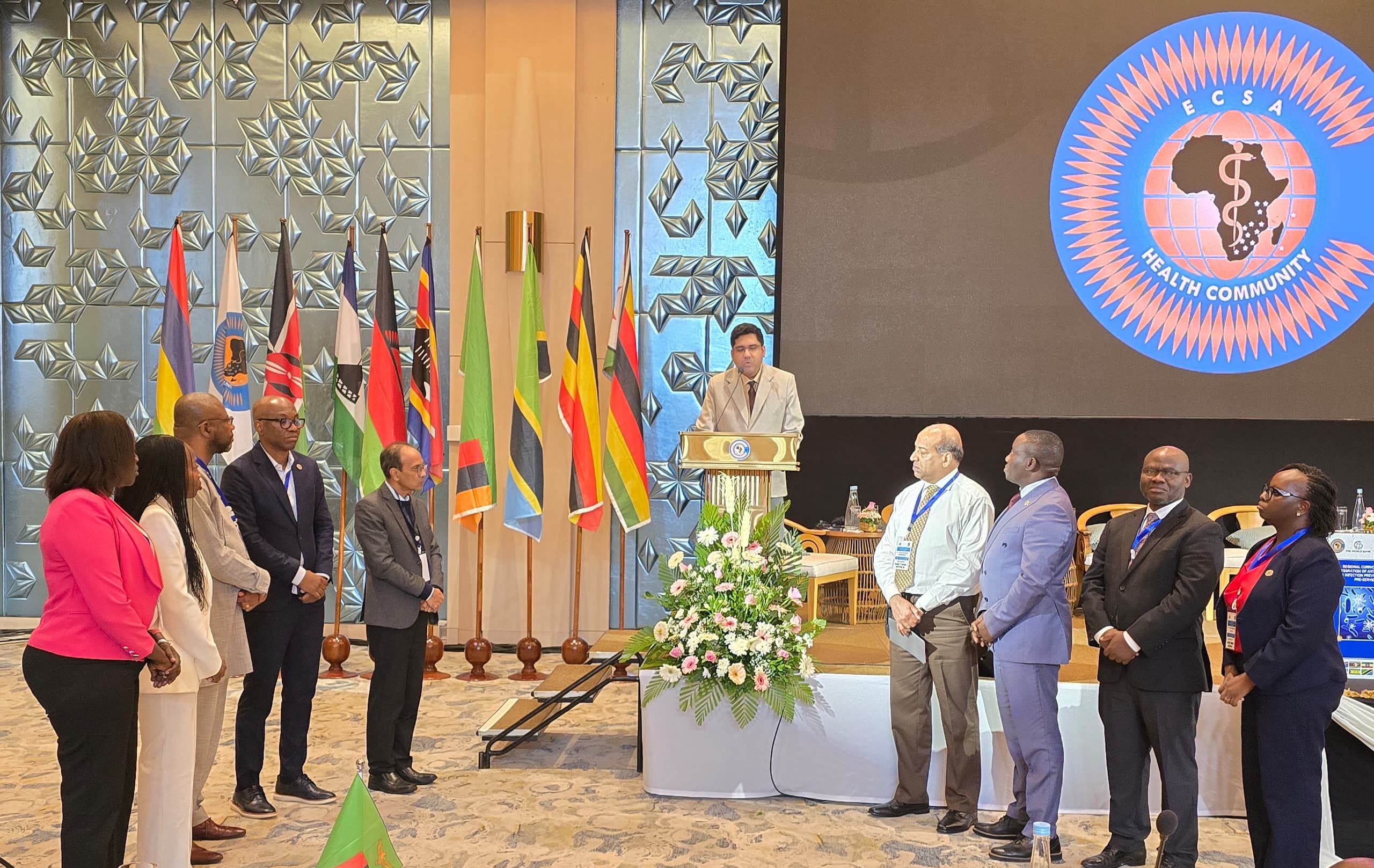
From the 4–6 August 2025 — The East, Central and Southern Africa Health Community (ECSA-HC) convened policymakers, technical experts, researchers, and partners for the 15th Best Practices Forum (BPF) at the InterContinental Mauritius Resort. Hosted by the Government of Mauritius, the forum spotlighted proven solutions and forged south–south partnerships to strengthen health systems across the region.
The forum was held under the banner “Enhancing Health Systems for Equity, Resilience and Sustainability.” Delegates examined how to accelerate Universal Health Coverage (UHC), protect communities from health emergencies, and sustain gains amid shifting financing landscapes.
Four interlocking sub-themes aimed at one goal: Stronger systems, were organized each with practical tracks and case studies from across the region.
- UHC through Strengthened Primary Health Care (PHC): community health systems, resilience & sustainable financing, and digital health innovations.
- Innovation & Local Manufacturing for Health Security: models for vaccines, diagnostics, and medicines; regulator y and financing enablers; and research & technology pipelines.
- Governance, Leadership & Human Resources for Health: workforce development and retention, leadership and partnerships, and integrating gender, equity & inclusion.
- Tackling NCDs: health promotion, linking nutrition with NCD prevention/management, and innovations in neurological disorders and disability care.
Highlights from the forum
- Opening & Keynote: ECSA-HC Director General Dr. Ntuli A. Kapologwe set the tone with a call to translate best practices into scalable action; Mauritius’ Minister of Health and Wellness, Hon. Anil Kumar Bachoo, welcomed delegates and underscored the importance of regional collaboration.
- Plenary spotlights: sessions covered resilient PHC financing, local manufacturing pathways, cancer care financing, data-driven supply chains, and country models of systems resilience.
- Parallel sessions: 12 technical breakouts showcased practical solutions—from community-led PHC, digital TB diagnosis, and antimicrobial stewardship digitization, to mentoring hospital leaders and integrating HIV–NCD services.
- Poster hall: innovations ranged from antimicrobial stewardship to diabetes, hypertension, and service delivery improvements across Member States.
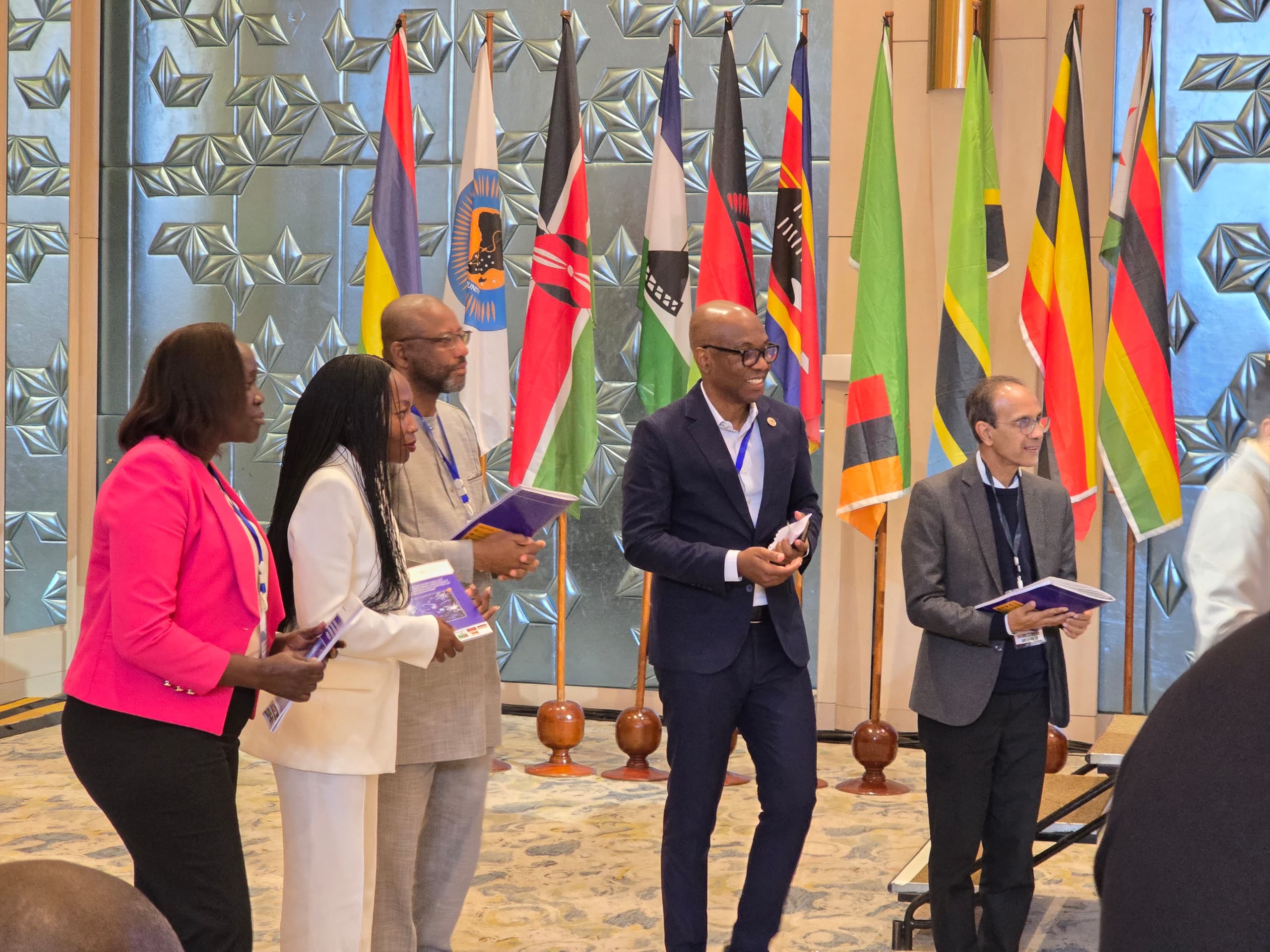
On Day 2, the Forum launched two new regional resources to strengthen implementation of Antimicrobial Resistance National Action Plans and Infection Prevention and Control .
Why this launch matters : Built by the region, for the region
Across East, Central, and Southern Africa, health emergencies and antimicrobial resistance (AMR) continues to threaten public health and socio-economic stability. These resources were developed through extensive consultation with countries, technical experts, academia, and partners—anchored in the Communities of Practice (CoP) on AMR and IPC. This inclusive process ensured shared ownership, regional relevance, and country validation for alignment with global guidance and national action plans.
The launch of the two regional guidance documents will equip Member States with standardized, evidence-based tools to strengthen surveillance systems and the health workforce ,which are core building blocks of resilient health systems.
1) Curriculum Guide for AMR & IPC Integration (Pre-Service)
The harmonized, competency-based guide designed to embed AMR, Infection Prevention and Control (IPC), and Antimicrobial Stewardship (AMS) into pre-service education embracing a One Health Approach. Aligned with WHO, WOAH, and FAO standards, the guide will help training institutions to:
- Integrate core AMR, IPC, and AMS competencies across health disciplines
- Standardize learning outcomes and assessments
- Prepare future public health professionals with the right skills
2) Regional Implementation Guide on Health care Associated Infections Surveillance & Multi Drug Resistant Organisms Prevention and Containment
A step-by-step guide for designing and strengthening Healthcare-Associated Infection (HAI) surveillance and Multidrug-Resistant Organisms (MDRO) containment. It provides:
- Practical models for setting up and improving HAI surveillance systems
- Clear pathways for detection, prevention, and control of MDROs
- Built-in monitoring, evaluation, and quality improvement approaches to sustain gains
The forum ended with a call to action for Member State to translate the guidance into impact, through adapting and implementing the guides within health systems and training institutions for sustainability as well as strengthening regional collaboration through peer-to-peer learning to share lessons, challenges, and best practices in the process. BPF recommendations proceed to the Directors Joint Consultative Committee and then the Health Ministers Conference for endorsement , policy direction and collective action.
ECSA-HC extends heartfelt thanks to World Bank, whose support through the Health Emergency Preparedness Response and Resilience (HEPRR) Project made this possible and the WHO, FAO, Africa CDC and ReAct Africa for the continued partnership, and reaffirms its commitment to supporting Member States in building resilient, equitable, and sustainable health systems.


Related News