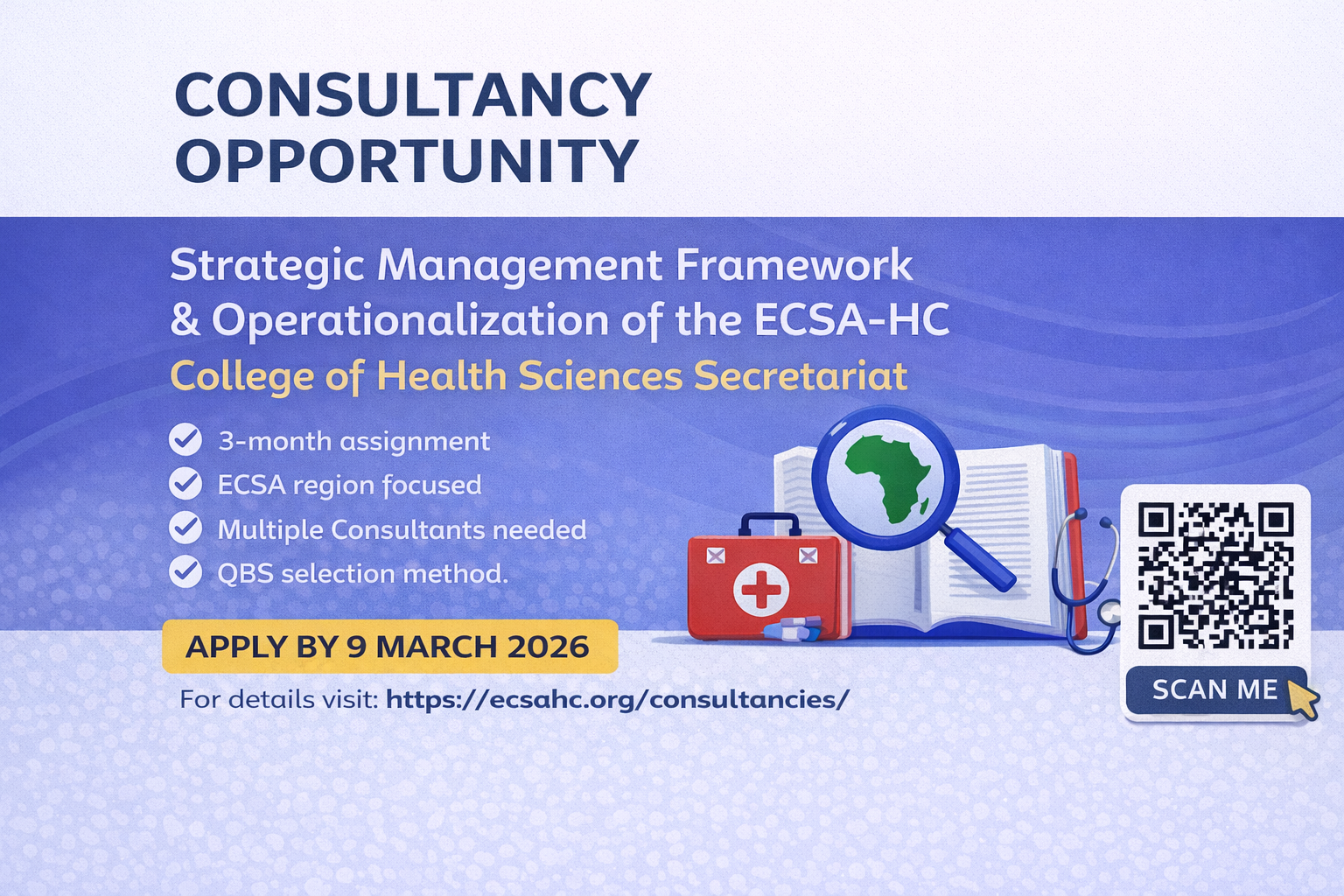
The East, Central and Southern Africa Health Community (ECSA-HC) is pleased to announce a consultancy…
Ethiopia Strengthens Preparedness at Major Airports through IHR Core Capacity Assessment
Overview
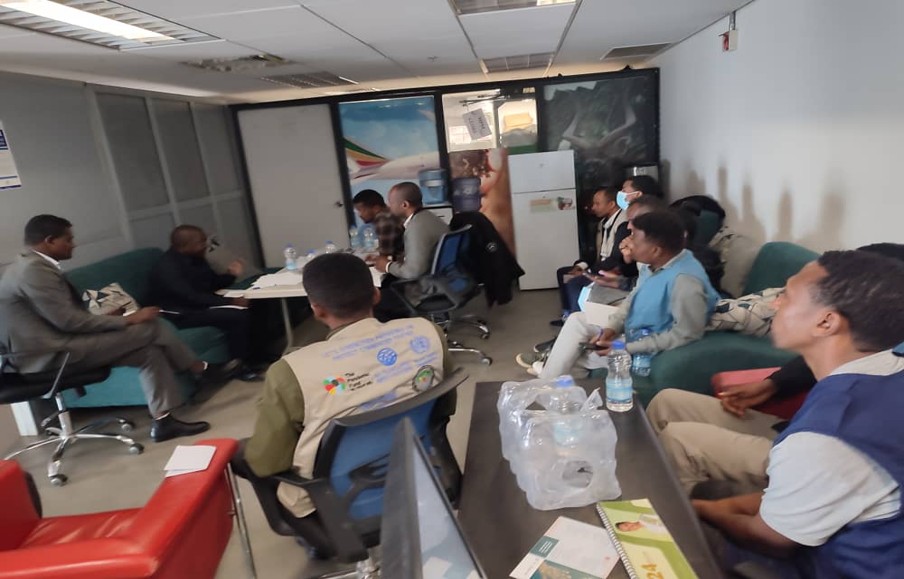
In August 2025, Ethiopia, with support from the East, Central and Southern Africa Health Community (ECSA-HC), conducted a comprehensive assessment of its International Health Regulations (IHR 2005) Core Capacities across four major international airports Addis Ababa Bole, Dire Dawa, Mekelle, and Bahir Dar
The exercise was led by the Ethiopian Public Health Institute (EPHI) under the World Bank–funded Health Emergency Preparedness, Response and Resilience (HEPRR-MPA) Programme, in collaboration with the UK Health Security Agency (UKHSA), WHO, and IOM.
Key Findings
The assessment showed substantial progress in coordination, governance, and infrastructure. All airports had port-health offices and basic screening facilities, though functionality varied. However, key gaps were identified limited digital surveillance, inadequate port-health staffing, and weak on-site laboratory capacity remain major challenges.
Priority Recommendations
- Digital Transformation: Deploy interoperable digital reporting systems at all Points of Entry (PoEs).
- Capacity Building: Train and deploy more port-health officers with continuous professional development.
- Laboratory Strengthening: Establish rapid diagnostic testing and improve specimen referral networks.
- Preparedness Exercises: Conduct regular simulations and joint drills.
- Risk Communication: Develop multilingual, passenger-focused materials to build public trust.
The Way Forward
The assessment informed development of airport-specific IHR Core Capacity Improvement Plans, outlining costed interventions for stronger surveillance, coordination, and risk communication. Implementation of these plans will enhance Ethiopia’s compliance with IHR (2005), reinforce regional health security, and promote safe travel across borders.
Related News