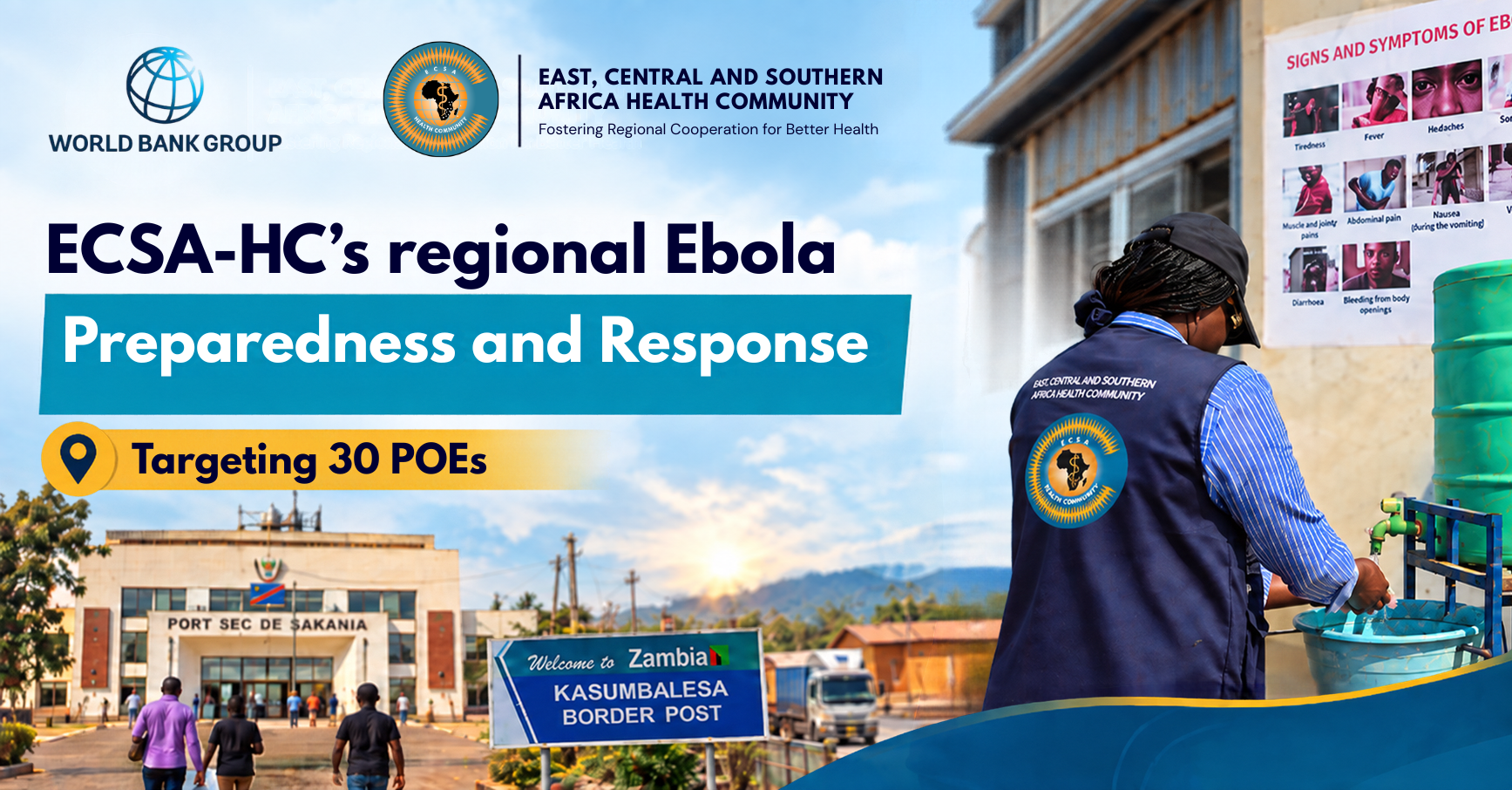
The East, Central and Southern Africa Health Community (ECSA-HC) is implementing a six-month intervention to…
Laboratory Leaders and Regulators Forge Stronger Partnerships to Strengthen Africa’s Laboratory Systems
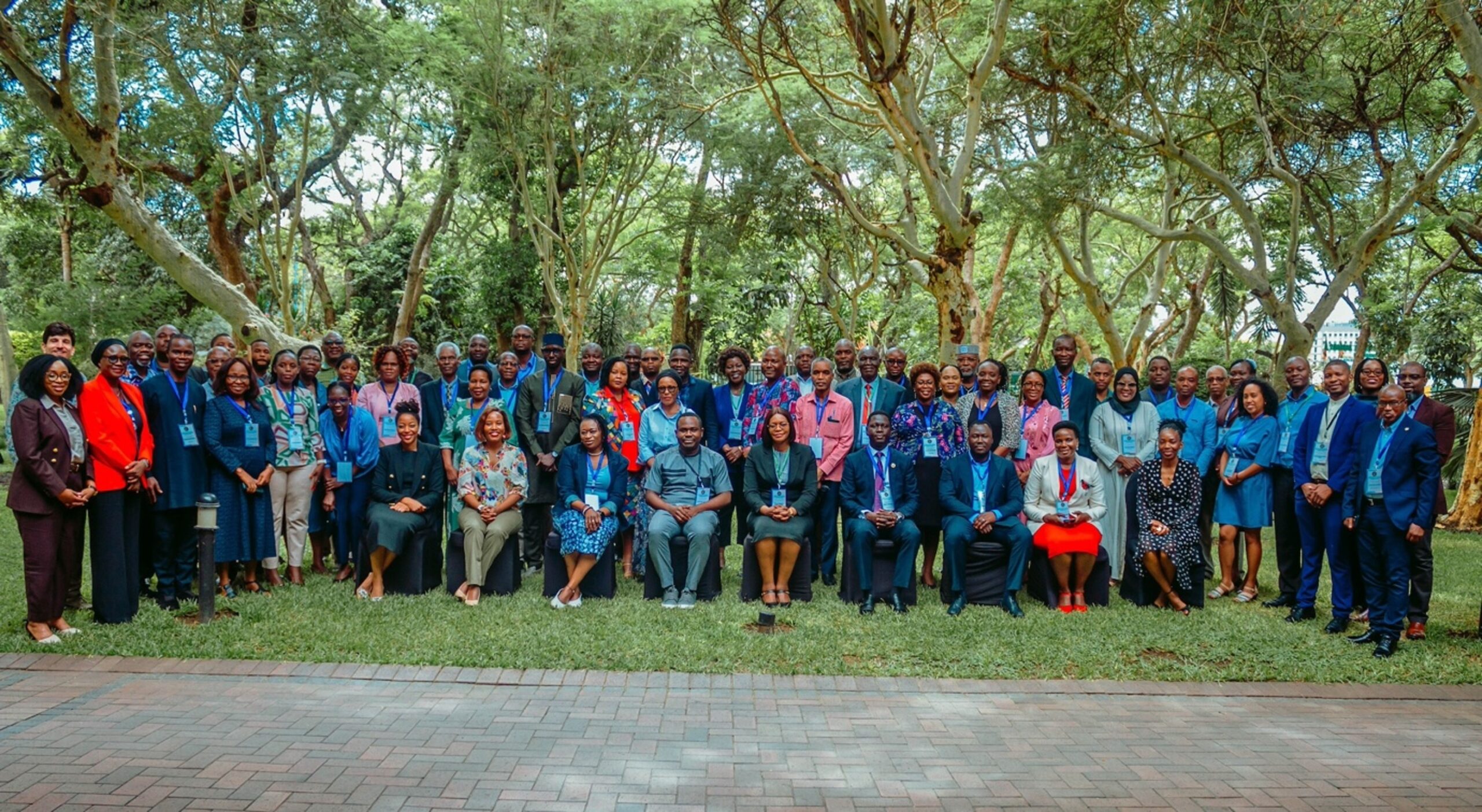
Laboratory leaders and regulators have forged a stronger partnership to work more closely in strengthening laboratory systems across Africa improving coordination and ensuring that health systems remain adaptive and resilient in the face of emerging threats.
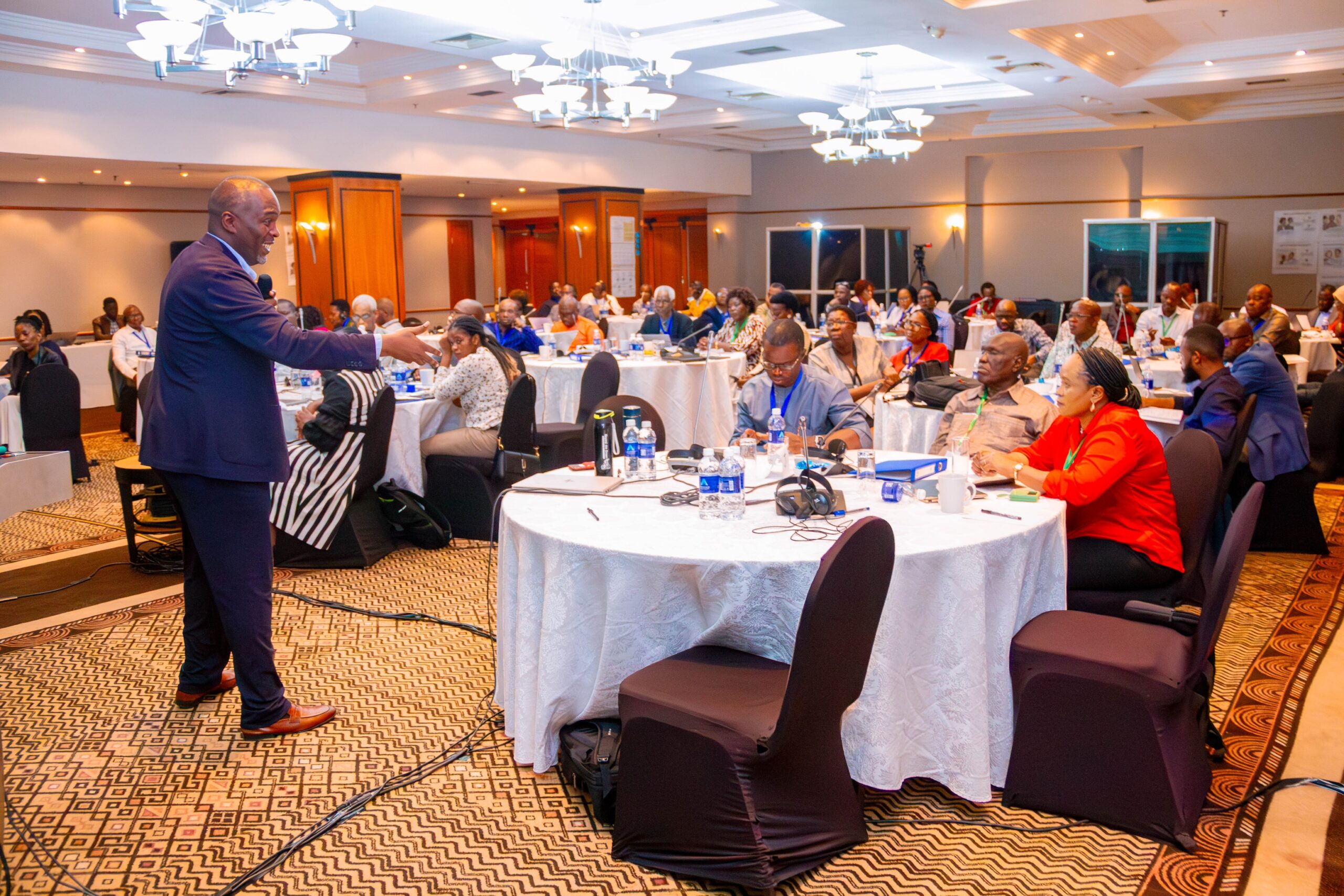
This renewed collaboration was reinforced during the Adaptive Leadership Training 2025, a high-level initiative designed to build leadership capacity, enhance coordination, and address the complex challenges affecting laboratory and regulatory systems across the continent. The training took place in Lusaka, Zambia, from 8–12 December 2025, bringing together national leaders from more than 25 African countries.
For years, despite their deep interdependence, laboratory and regulatory institutions have often worked in silos, slowing progress and weakening public health systems. The workshop directly addressed this persistent gap.
Through peer learning, structured leadership exercises, and collaborative group work, participants explored practical strategies to harmonize standards, strengthen communication, clarify roles, and jointly advocate for sustained investment in diagnostics and regulatory structures.
These efforts echoed a strong message from the opening session: Africa’s health systems can only advance when laboratory and regulatory leaders move forward together, guided by shared purpose, coordinated action, and strengthened leadership.
Laboratories generate the evidence that underpins clinical decisions, disease surveillance, and regulatory oversight. Regulators, in turn, ensure that diagnostics, medicines, and medical devices meet the required standards of safety, efficacy, and quality. Despite this natural synergy, collaboration between the two groups is often limited by institutional silos, separate funding mechanisms, and differing professional cultures.
With funding from the Global Fund, this regional workshop brought together key actors responsible for shaping Africa’s laboratory and regulatory landscape. The training was coordinated by the East, Central and Southern Africa Health Community (ECSA–HC), in partnership with Africa CDC and the Africa Medicines Agency (AMA) at AUDA-NEPAD.
Member States across Africa continue to invest significantly in laboratory equipment, reagents, infrastructure, and other technical inputs. However, far less emphasis has been placed on developing leadership skills, political navigation, stakeholder engagement, and systems thinking competencies that are essential for driving sustainable progress.
Addressing this gap is critical for preserving the gains made through technical investments, strengthening coordination, and ensuring that health systems remain responsive to emerging and evolving threats.
The Adaptive Leadership Training 2025 served as an important platform to bridge these gaps through structured leadership frameworks, practical exercises, and cross-country collaboration. By equipping leaders with the skills to navigate complex systems, influence change, and strengthen coordination, the workshop contributes to Africa’s broader goal of building more resilient, efficient, and integrated laboratory and regulatory structures.
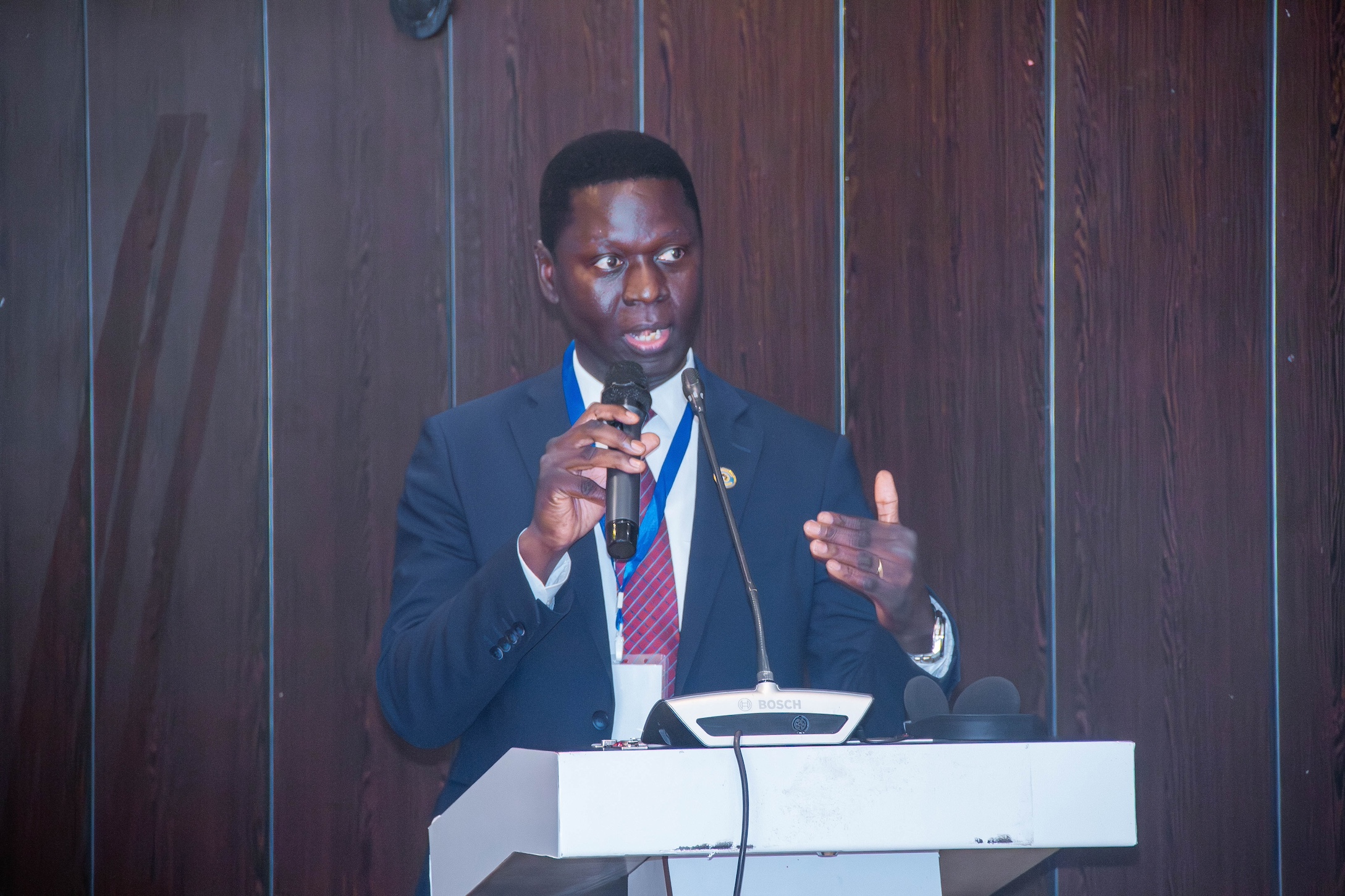
Strengthening leadership is key to ensuring that laboratory and regulatory systems across the continent work better together. When leaders are empowered, systems become stronger,”
said Dr. Andrew Silumesii from the East, Central and Southern Africa Health Community (ECSA–HC).
ECSA-HC plays a central role in coordinating laboratory strengthening efforts across its Member States including promoting harmonised guidelines, facilitating knowledge exchange, convening technical working groups, and supporting countries to align laboratory policies with regional and global standards.
One of the longstanding barriers to strong laboratory systems in Africa has been the fragmented landscape of In Vitro Diagnostics (IVDs). Many Member States face challenges such as slow regulatory approval processes, limited transparency across agencies, inconsistent quality standards, and delays in adopting new diagnostic technologies. These gaps became especially visible during public health emergencies, where rapid access to reliable diagnostics is critical.
Africa CDC has played a pivotal role in addressing these challenges by harmonising regulatory pathways, supporting the establishment of the Africa Collaborative Initiative to Advance Diagnostics (AFCAD), and strengthening national regulatory authorities to improve oversight of diagnostics entering the continent.
Through coordinated frameworks, joint technical reviews, and regional quality assurance mechanisms, Africa CDC has helped countries reduce duplication, accelerate access to high-quality IVDs, and build greater confidence in regional procurement processes.
These advancements made the call for collaboration between laboratory leaders and regulators even more urgent and perfectly timed”
said Dr. Noah Fongwen, Diagnostics Access coordinator at the Africa CDC
About ECSA – HC
The East, Central and Southern Africa Health Community (ECSA-HC) is an intergovernmental health organization established in 1974 to promote regional cooperation and collaboration in health among its Member States. These include Kenya, Lesotho, Malawi, Mauritius, Eswatini, the United Republic of Tanzania, Uganda, Zambia, and Zimbabwe.
ECSA-HC works with governments and partners to strengthen health systems and address shared health challenges across the region. Through strategic partnerships, its work also extends to non-member states in Africa. The organization promotes improved health outcomes through cooperation, research, capacity building, policy development, and advocacy, contributing to more efficient, effective, and resilient health services across East, Central, and Southern Africa. Lean more at https://ecsahc.org and connect with us on LinkedIn, Facebook and YouTube
Media Contacts
Owen Mwandumbya- Communication and Advocacy Specialist
Email: omwandumbya@ecsahc.org
Related News