The East, Central and Southern Africa Health Community (ECSA-HC) is implementing a six-month intervention to…
ECSA-HC Driving Policy Transformation: How the Thanzi Model is Empowering Smarter Health Decisions in Malawi
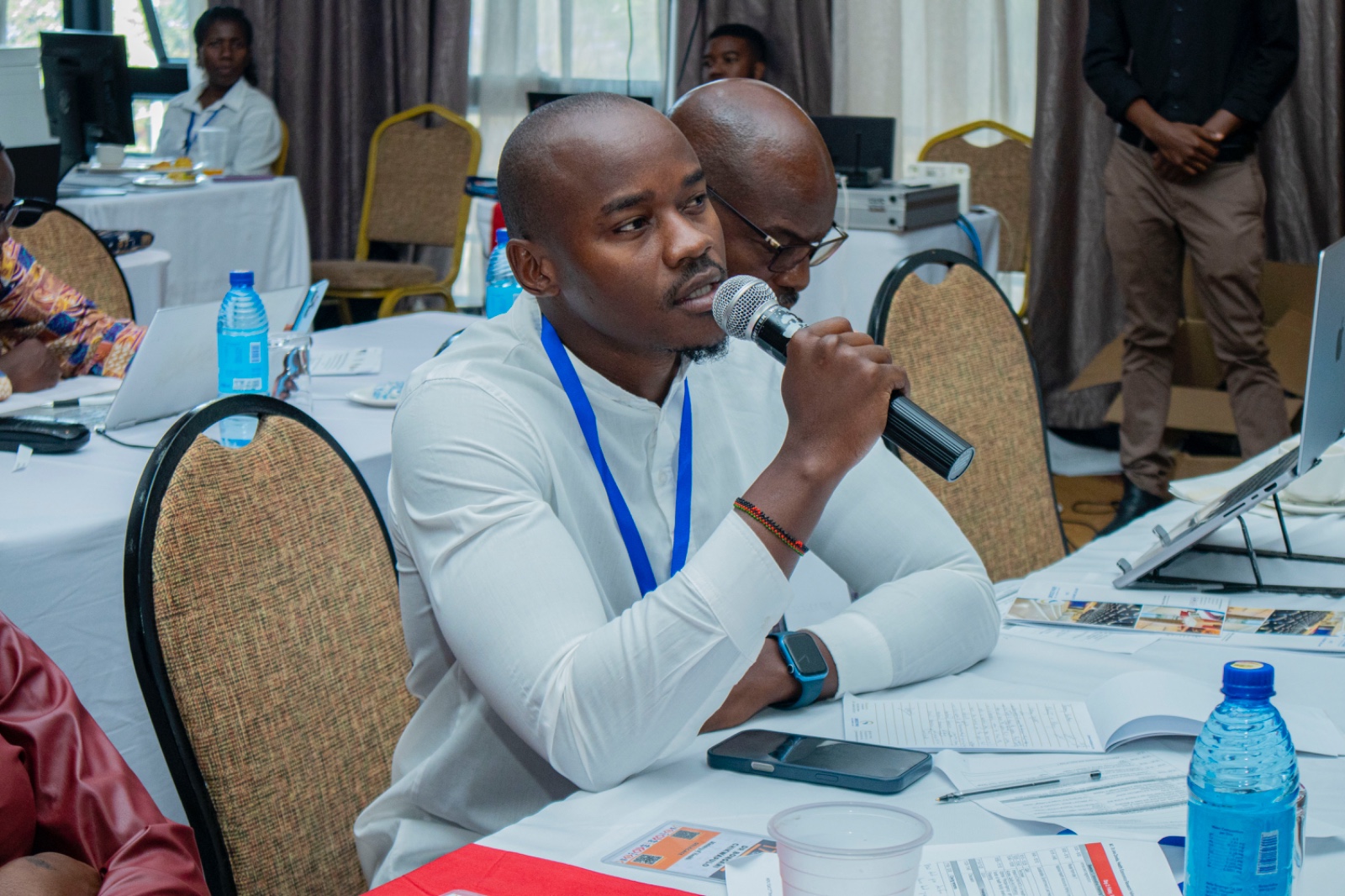
When Dr. Henry Chibowa, Director of Health Services in Malawi’s Mangochi District Council, reflects on his early years in the health system, he recalls a time marked by frustration and uncertainty. Despite his district’s deep involvement in translating national health policies into action, one persistent challenge remained understanding what truly worked and what did not.
“We were very instrumental in policy implementation,” says Dr. Chibowa. “But the challenge was how to generate evidence that shows which policies were not working, and how to use that evidence to lobby for policy change.”
“We were very instrumental in policy implementation,” says Dr. Chibowa. “But the challenge was how to generate evidence that shows which policies were not working, and how to use that evidence to lobby for policy change.”
For years, district health offices like Mangochi lacked the systems and coordination mechanisms needed to connect implementation with academic research. Universities held vast data and analysis, yet those insights rarely reached decision-makers in practical form. As a result, health planning often relied more on intuition than on evidence.
That’s where the East, Central and Southern Africa Health Community (ECSA-HC) in collaboration with its partners stepped in by introducing the Thanzi Model, a groundbreaking tool that bridges the gap between research and policy, enabling governments to make smarter, evidence-based decisions.
Developed under the leadership of Professor Timothy Hallett and his team at Imperial College London, in collaboration with the Health Economics and Policy Unit (HEPU) at the Kamuzu University of Health Sciences (KUHeS), the University of York, the Ministry of Health (Malawi), and ECSA-HC, the model provides a scientific framework for simulating real-world health scenarios before implementation.
“We saw that policymakers had enormous data but struggled to connect it to real-world decisions,” explained Prof. Hallett during the 17th International Thanzi Think Tank Conference held in Lilongwe from 16–17 October 2025. “The Thanzi Model bridges that gap it allows planners to simulate policy choices and see how each one affects health outcomes, costs, and system efficiency before implementation.”
In Mangochi, the innovation has reshaped how health planning is done. District teams now apply system-wide modelling, health financing analysis, and scenario-based planning to evaluate the impact of different policy options.
“For instance,” Dr. Chibowa explains, “if we model a scenario where we add more nurses or open new clinics, the data shows how that will impact district performance. When I’m given a recruitment budget, I can now make a better decision on which cadres to prioritize because I know where the greatest value will be added.”
Through this transformation, ECSA-HC continues to drive a new era of policy intelligence one where data, not guesswork, guides public health decisions. The Thanzi Model is now helping governments inform resource allocation, optimize workforce investments, and plan smarter for healthier futures.
At the regional level, ECSA-HC has been instrumental in expanding the Thanzi Model beyond Malawi’s borders. Mr. Edward Kataika, Principal Investigator and Regional Project Lead for the Thanzi Programme, recognized the model’s potential to transform health planning across countries facing similar challenges.
“ECSA-HC saw that the Thanzi Model was not just a national tool it was a regional innovation capable of changing how governments make health financing and policy decisions,” he explains.
Since its launch in 2017, the Thanzi Programme coordinated by ECSA-HC has supported Malawi in developing its Health Benefit Package and Geographic Resource Allocation Formula, both of which now inform the country’s national health strategies. Building on these successes, ECSA-HC is facilitating discussions with Uganda and Tanzaniato adopt and adapt the model, strengthening their capacity for evidence-based planning and smarter investments toward Universal Health Coverage (UHC).
The success of the Thanzi Model demonstrates how linking research with policy can turn decision-making from reactive to strategic empowering countries to design more resilient, equitable, and efficient health systems.
By integrating evidence generation and forecasting tools into planning, ECSA-HC through the Thanzi Program has empowered district leaders like Dr. Chibowa to use data-driven approaches in local health management. The model not only documents historical outcomes but also enables proactive, predictive planning for better performance and accountability.
“When we talk about accountability,” Dr. Chibowa adds, “it means allocating funds where services are delivered. In Mangochi, resources are now aligned with beneficiaries; we make decisions locally and are part of the process, instead of waiting for approvals from the central level.”
Today, Dr. Chibowa is no longer just a district administrator; he serves as Chairperson of the Health Services Managers Network in Malawi, a union of all Directors of Health Services, and a member of the Thanzi Think Tank, representing a new generation of data-driven health leaders influencing policy at both national and regional levels.
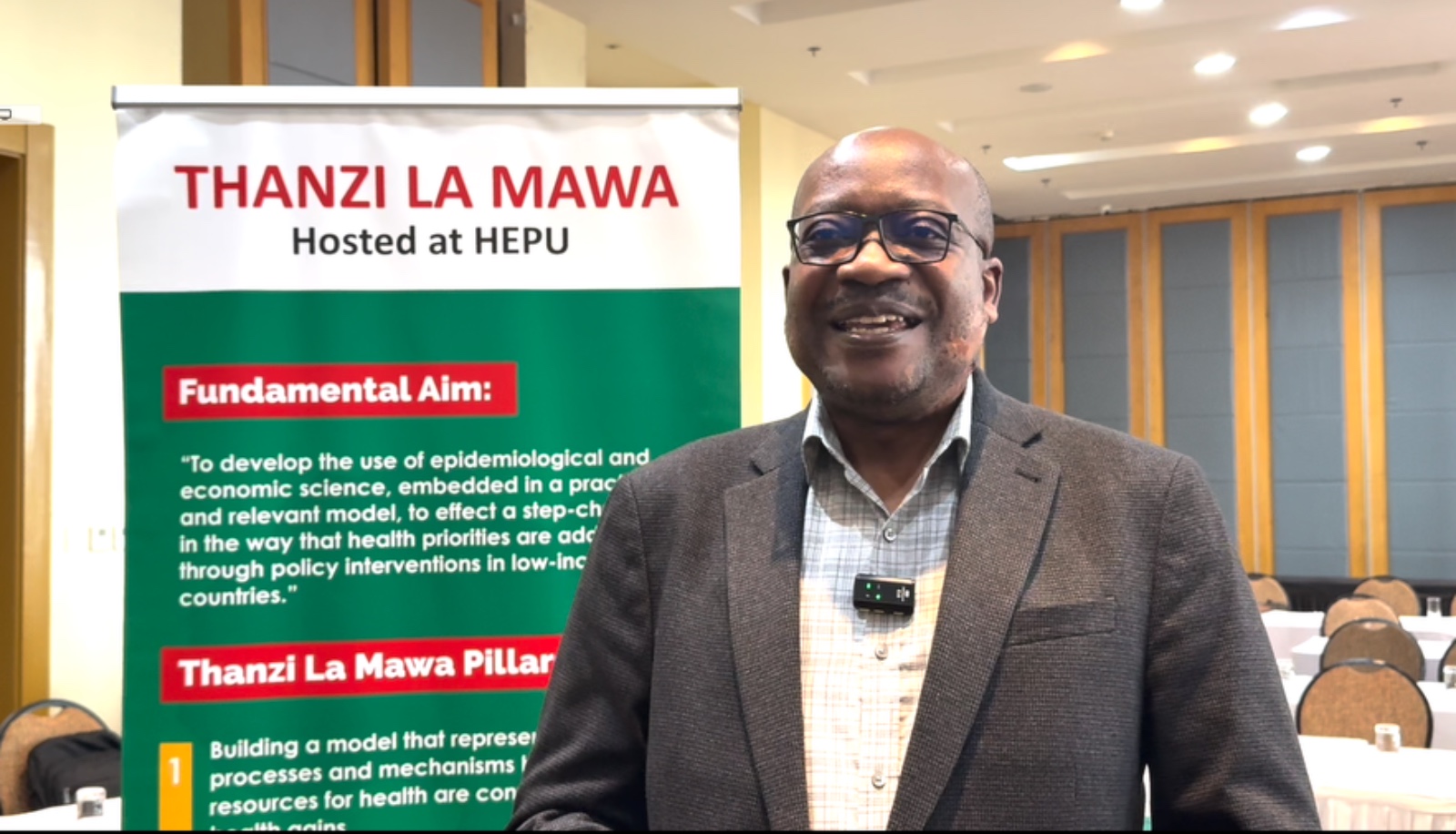
The Thanzi Think Tank itself has become a hallmark of collaboration between research, policy, and practice. Established under the Thanzi La Onse and Thanzi La Mawa programs, the platform brings together policymakers, researchers, and regional institutions to interpret evidence and co-develop data-driven policies.
“It’s not just a conference it’s a living laboratory of ideas,” says Dr. Gerald Manthalu, Director of Planning and Policy Development at Malawi’s Ministry of Health. “We test scenarios, debate options, and align evidence with policy priorities. Before Thanzi, planning was fragmented; now, it’s strategic and data-driven.”
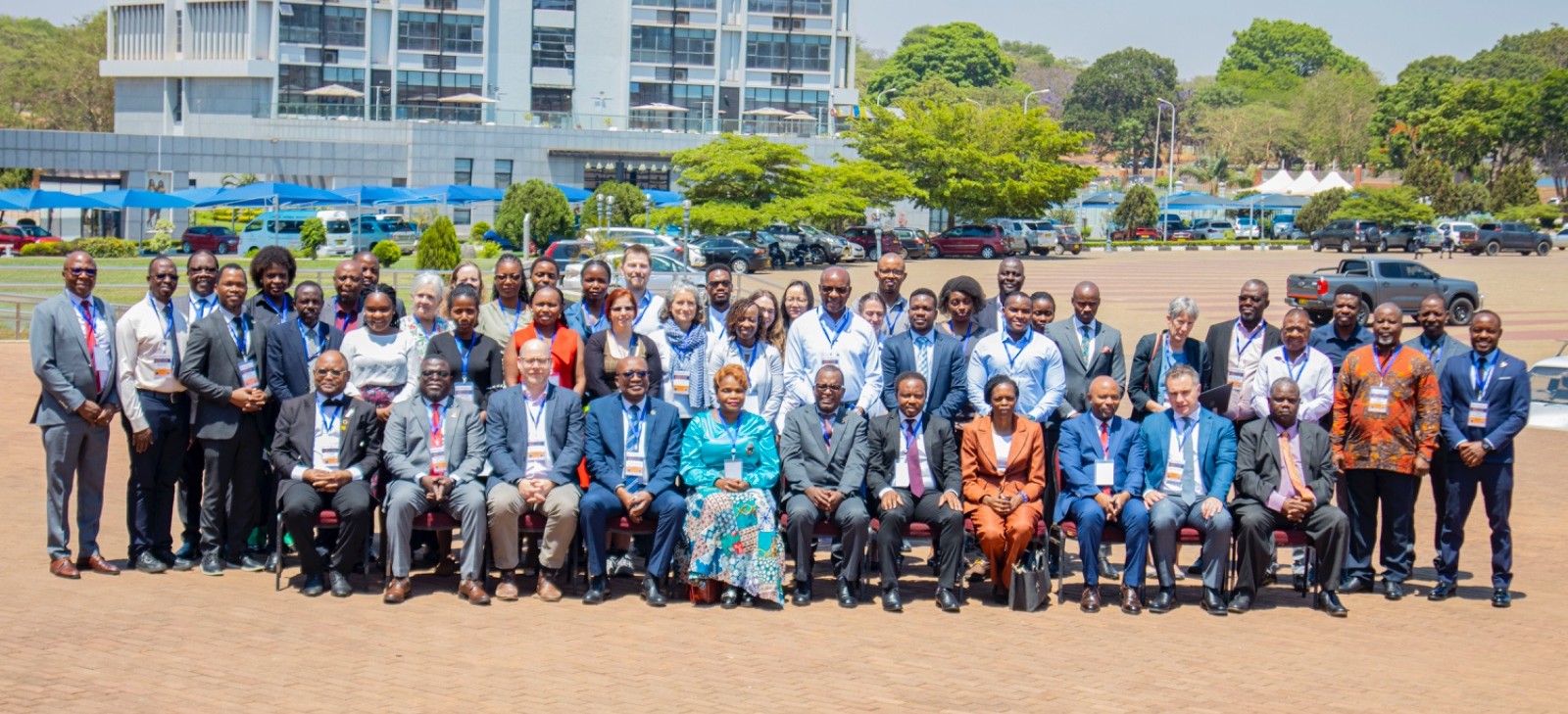
For Dr. Chibowa, standing among researchers, government leaders, and regional policymakers, the journey feels deeply personal. “Thanzi gave us knowledge, confidence, and hope,” he reflects. “Now, when I make a health plan for my district, I know what impact it will have that’s powerful.”
Across East, Central and Southern Africa, ECSA-HC continues to spearhead health transformation by addressing regional challenges through evidence, innovation, and collaboration.
By scaling up proven models like Thanzi across Member States, the organization is ensuring that evidence-based solutions are not confined to national boundaries but become regional public goods shaping a healthier, more equitable future for all.
Related News