







Our borders are crossed daily by families, traders, transporters, and displaced populations. This points to the fundamental reality that public health threats do not respect national borders, and defines the global landscape of health security.
Therefore, a weakness in preparedness in one country quickly becomes a shared regional risk. Cross-border preparedness must not be viewed as an optional activity undertaken only during outbreaks; it must be embedded within our national and regional health-security systems.
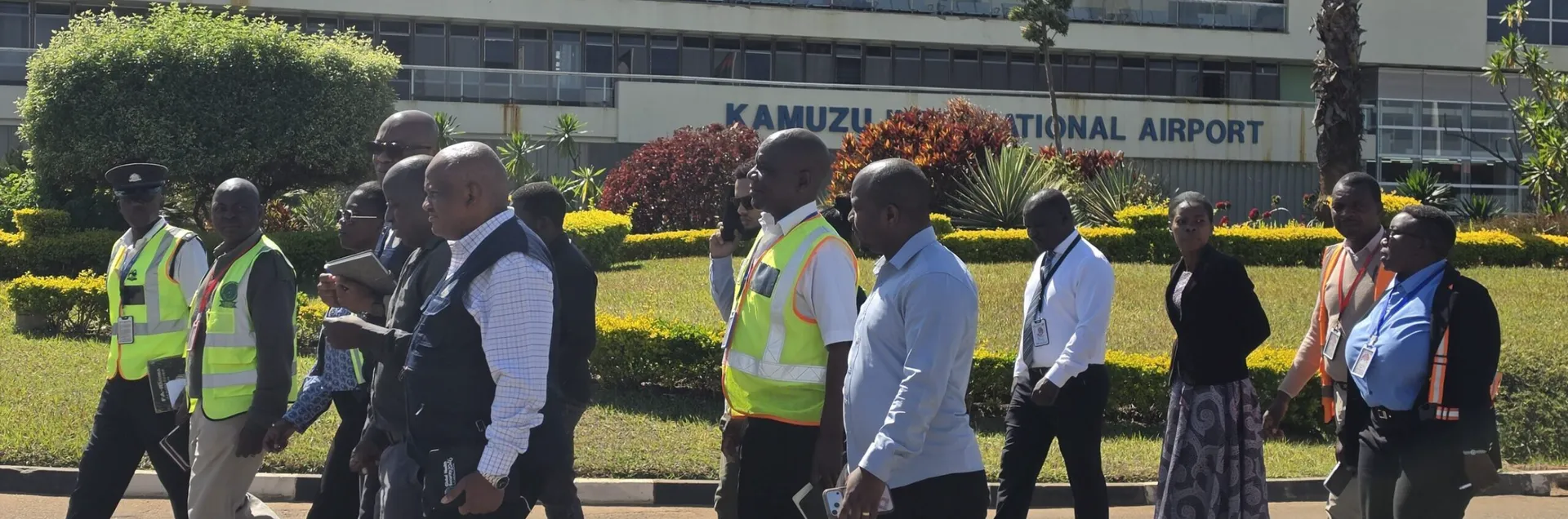
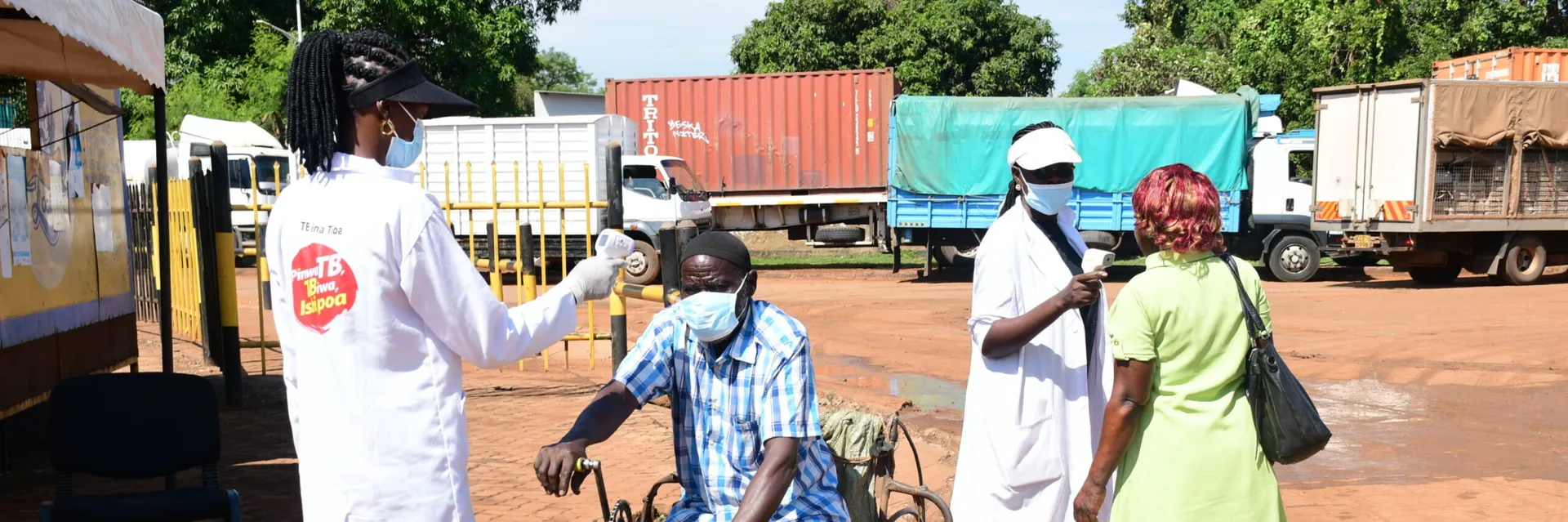
The East, Central and Southern Africa Health Community (ECSA-HC) has gained valuable practical experience supporting Member States during Ebola, Mpox, cholera, and other public health emergencies. This support has included joint risk and readiness assessments at points of entry and border districts; cross-border coordination meetings; harmonization of surveillance and reporting arrangements; and strengthening event-based surveillance, infection prevention and control, laboratories, and emergency operations.
During recent Ebola preparedness and response efforts, ECSA-HC worked with Member States and partners to conduct cross-border simulation exercises, including at the Busia border between Kenya and Uganda and in Zambia. These exercises tested notification, referral, case management, information sharing, and coordination across borders. High-risk countries were also supported to assess priority points of entry, identify operational gaps, and develop practical preparedness actions.
Furthermore, ECSA-HC has deployed epidemiologists and other technical experts to support outbreak coordination, surveillance, and preparedness. Working closely with WHO, Africa CDC, the World Bank, IGAD, national public health institutions, and Ministries of Health ensures that regional interventions complement national plans and avoid duplication.
From this experience, three priorities are clear. First, cross-border structures must operate routinely and not only when an outbreak occurs. Second, neighbouring countries must have trusted and timely systems for sharing alerts and public health information. Third, commitments must be supported by sustainable financing, a trained workforce, and regular joint simulation exercises.
ECSA-HC therefore strongly supports institutionalizing these cross-border frameworks. The goal is facilitating coordination among Member States, strengthening surveillance and information sharing, supporting joint assessments and simulation exercises, mobilizing and deploying technical expertise, and monitoring progress against an agreed accountability framework.
A Memorandum of Understanding must become more than a signed document. It must become an operational instrument that protects communities, strengthens collective resilience, and ensures that no country faces a cross-border emergency alone. Regional entities stand ready to work with all partners to translate this commitment into measurable action.