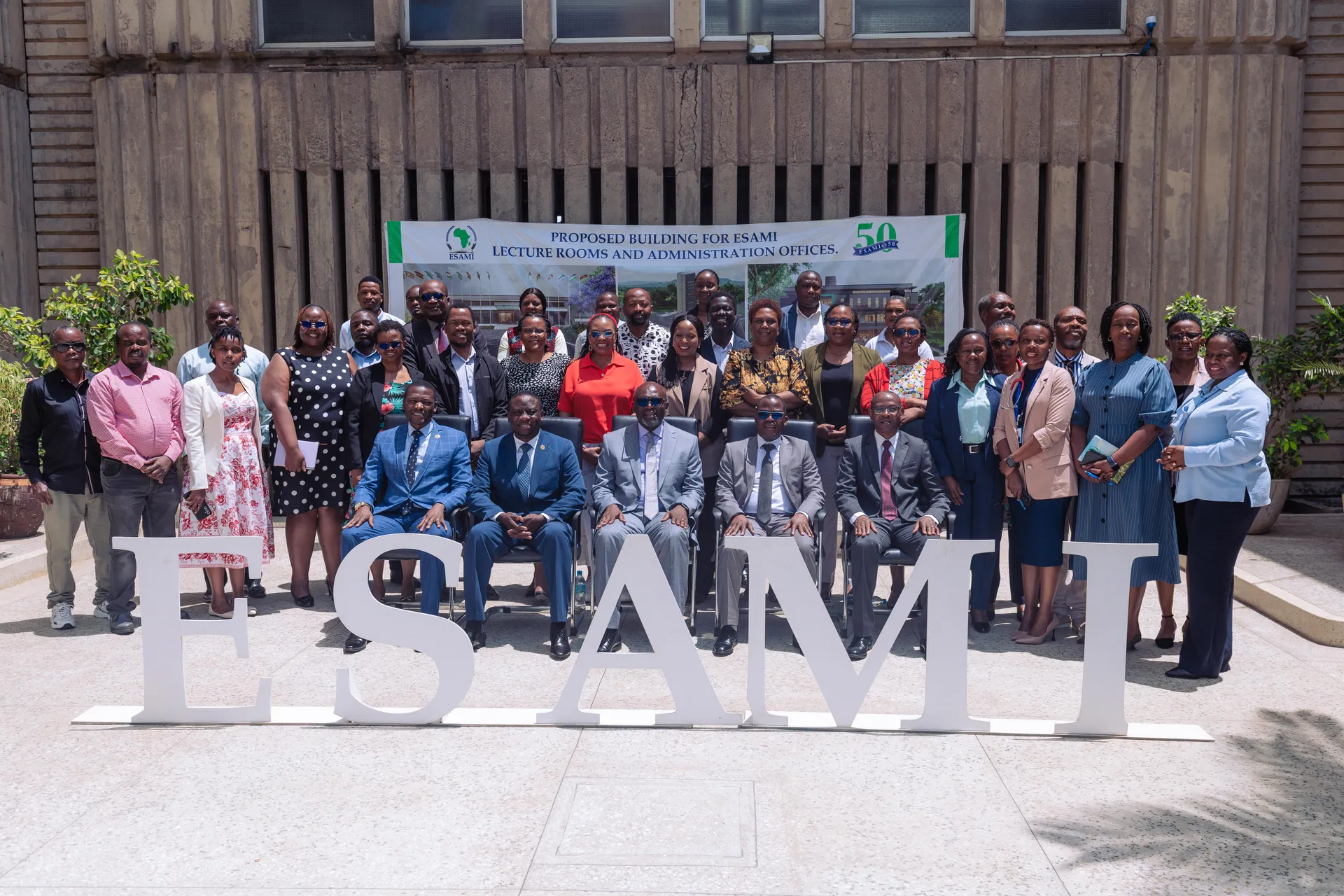












Arusha, Tanzania | 12 November 2026
The East, Central and Southern Africa Health Community (ECSA-HC) and the Eastern and Southern African Management Institute (ESAMI) have formalised a strategic partnership aimed at strengthening leadership, building institutional capacity and accelerating health systems transformation across Africa.
The two regional institutions signed a Memorandum of Understanding (MoU) on 12 November 2026 at ESAMI offices in Arusha, Tanzania, establishing a framework for collaboration in leadership development, institutional strengthening, health systems development, executive training, research, policy analysis, technical assistance and knowledge exchange.
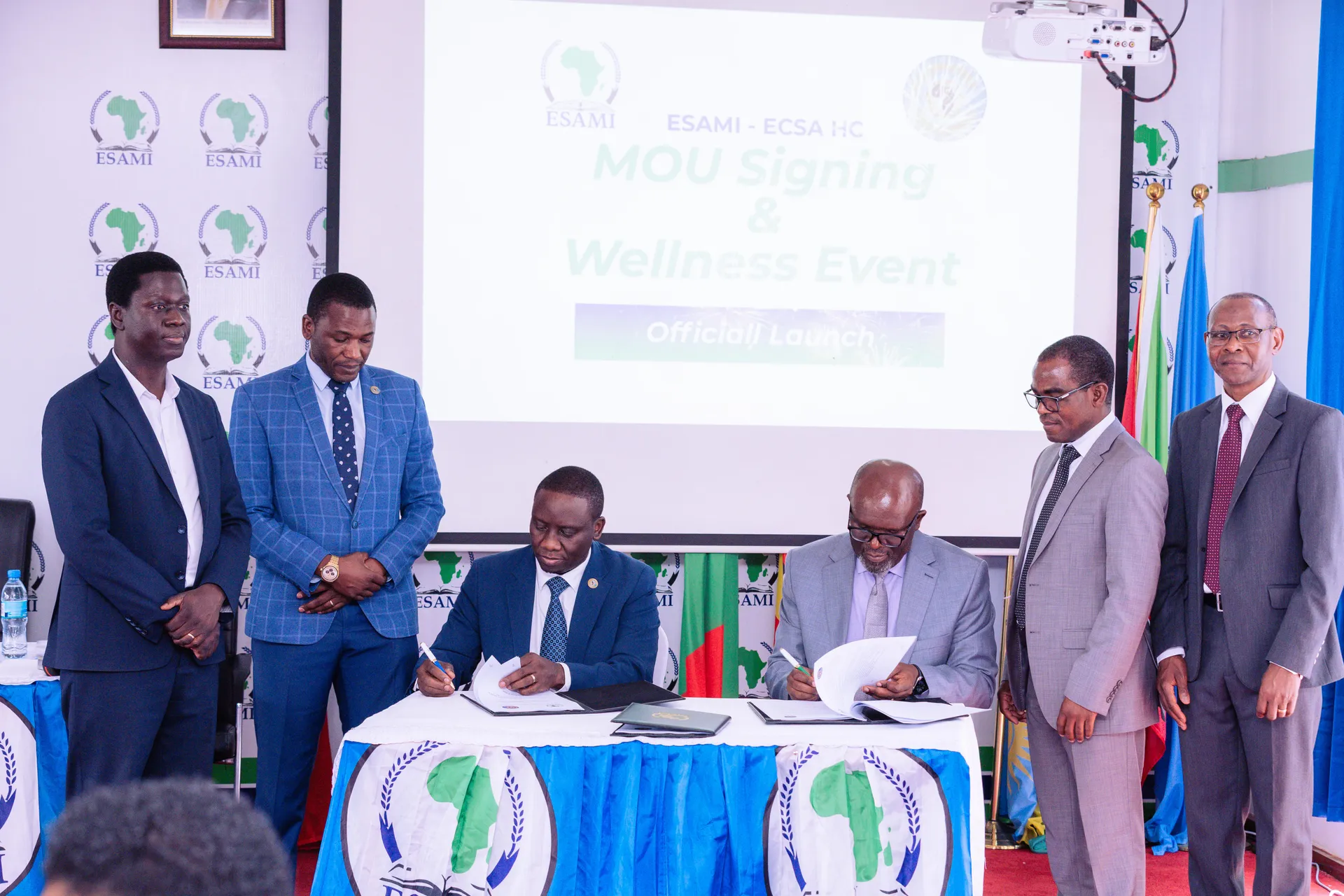
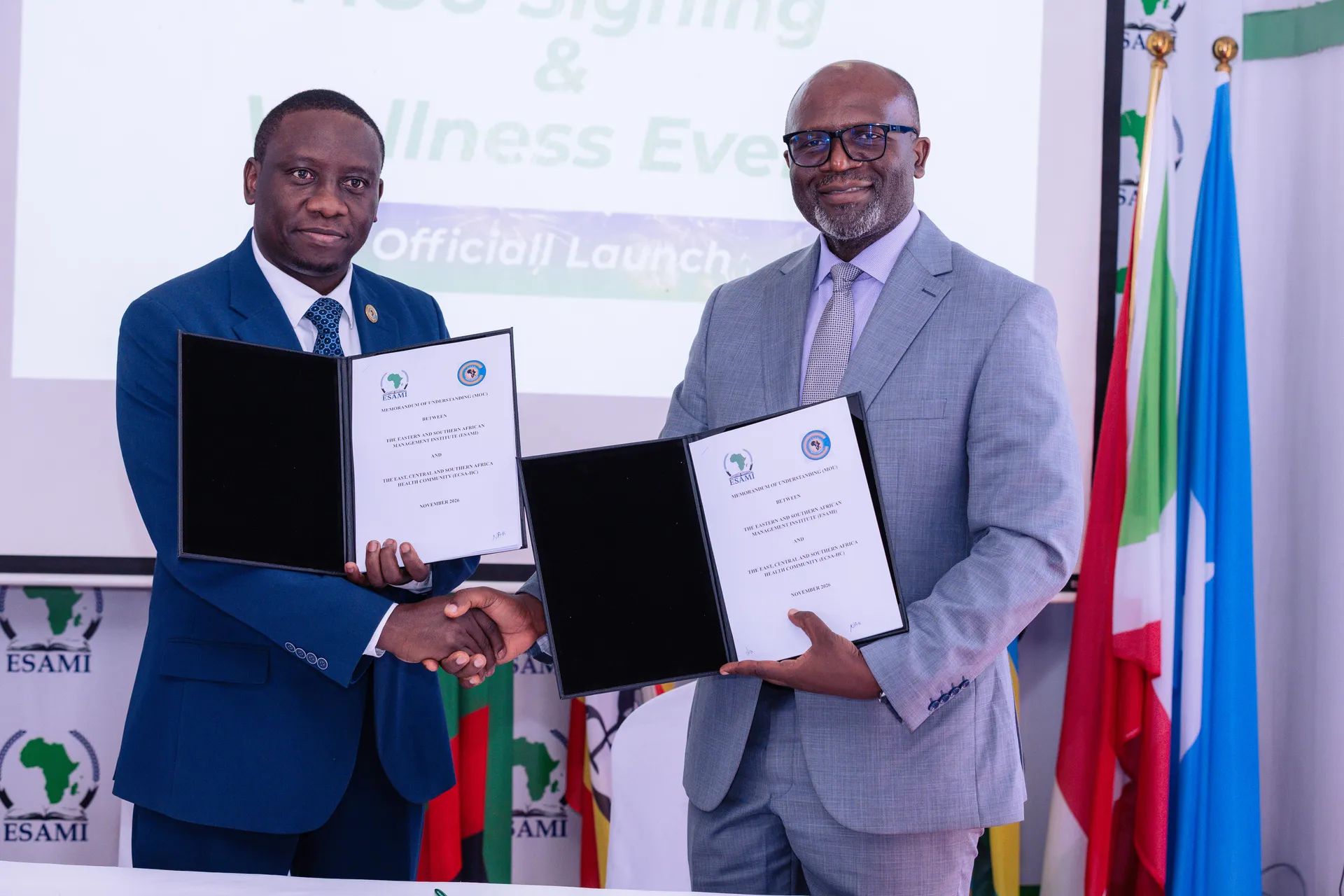
The agreement was signed by Dr. Ntuli Kapologwe, Director General of ECSA-HC, and Associate Professor David M. Kalaba, Deputy Director General of ESAMI, representing Professor Peter Kiuluku, Director General of ESAMI.
The partnership brings together two institutions with complementary mandates and expertise, recognising that the transformation of Africa's health systems requires more than sound policies and increased investments. It also demands capable leadership, effective governance, strong institutions and the ability to translate regional commitments into tangible improvements in healthcare delivery.
Bridging the gap between health policies and implementation
Across Africa, governments have made significant commitments to strengthening health systems, expanding access to quality healthcare and improving health outcomes. However, translating these commitments into effective implementation remains a persistent challenge.
The new partnership seeks to address this gap by connecting ECSA-HC's regional health mandate, technical expertise and established relationships with Ministries of Health and other stakeholders with ESAMI's more than five decades of experience in leadership development, governance, management capacity building, health economics and public financial management.
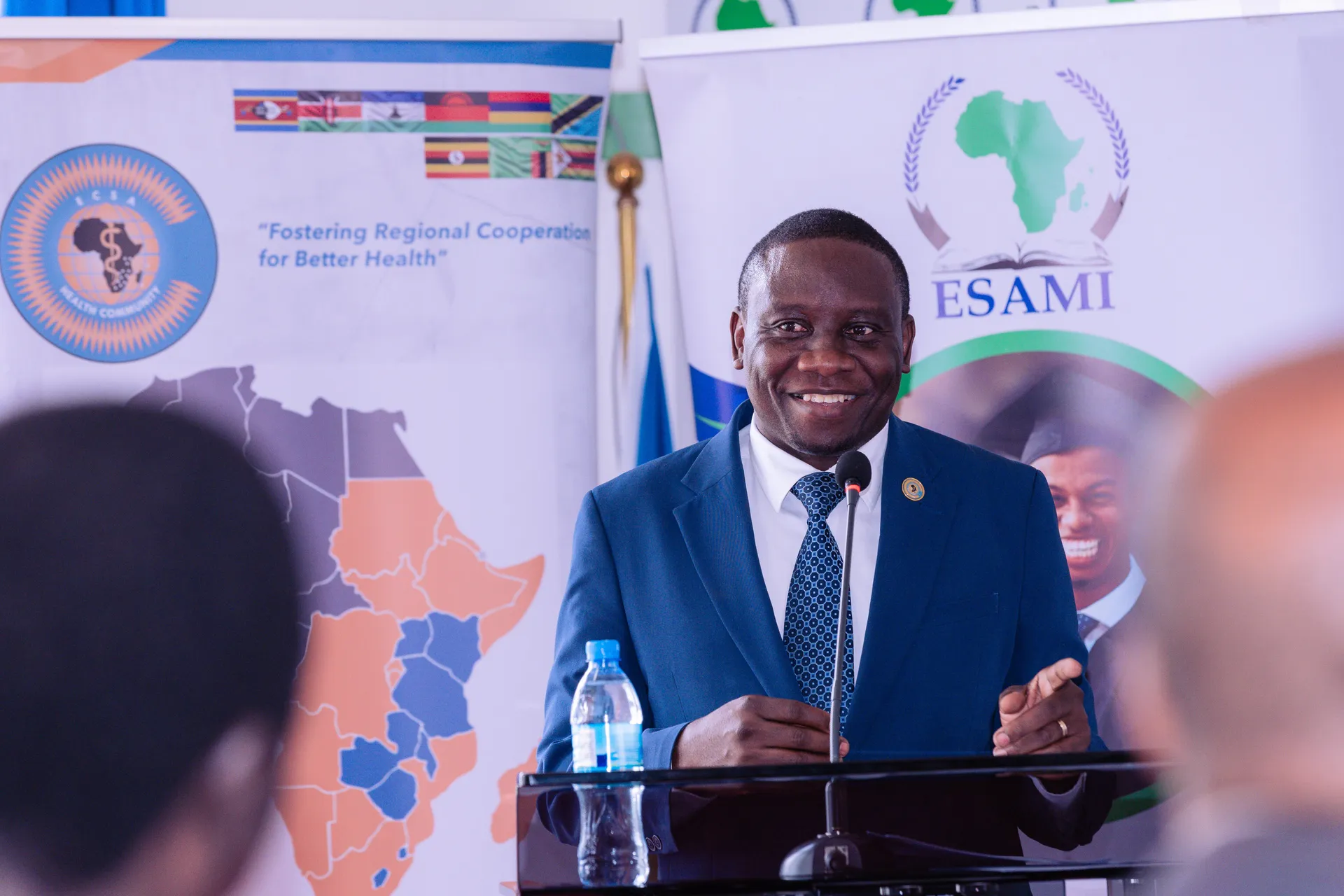
Speaking during the signing, Dr. Ntuli Kapologwe, Director General of ECSA-HC, said the agreement represents an important opportunity to combine institutional strengths and provide more coordinated support to Member States.
"By bringing together ESAMI's expertise in leadership, governance and management development with ECSA-HC's regional health mandate and technical capabilities, we are creating an opportunity to strengthen the institutions responsible for delivering healthcare. Our focus must be on translating this partnership into practical programmes that build capacity, support health sector reforms and deliver measurable results across our Member States."
Dr. Kapologwe emphasised that the MoU provides a foundation for joint training programmes, research, policy analysis, technical advice, proposal development and resource mobilisation, enabling the two institutions to leverage their respective networks and expertise in addressing shared regional health priorities.
Investing in leadership, governance and sustainable health financing
A key dimension of the partnership is the recognition that sustainable health systems depend on the quality of leadership and management at every level of the health sector.
Through the agreement, ECSA-HC and ESAMI will explore opportunities to strengthen the capacity of Ministries of Health, health-sector executives and institutions to lead reforms, manage organisational change and improve service delivery.
The collaboration will also address health financing and public financial management, including resource mobilisation, accountability, financial management and value for money. These areas are particularly important as health systems face increasing demands and must make better use of limited resources to achieve improved health outcomes.
Beyond institutional training, the partnership will facilitate collaborative research, policy development and knowledge exchange, helping generate and apply evidence-based solutions to emerging and longstanding health challenges.
Importantly, the collaboration is already beginning to take shape. The two institutions have initiated work on two multi-country research proposals under the European Horizon framework, focusing on chronic non-communicable diseases among children and young people, and disability across the life course. These initiatives demonstrate the potential to move the partnership beyond institutional commitments towards joint research and practical regional interventions.
From institutional agreement to measurable results
For both institutions, the significance of the MoU will ultimately be determined by the programmes implemented and the results delivered.
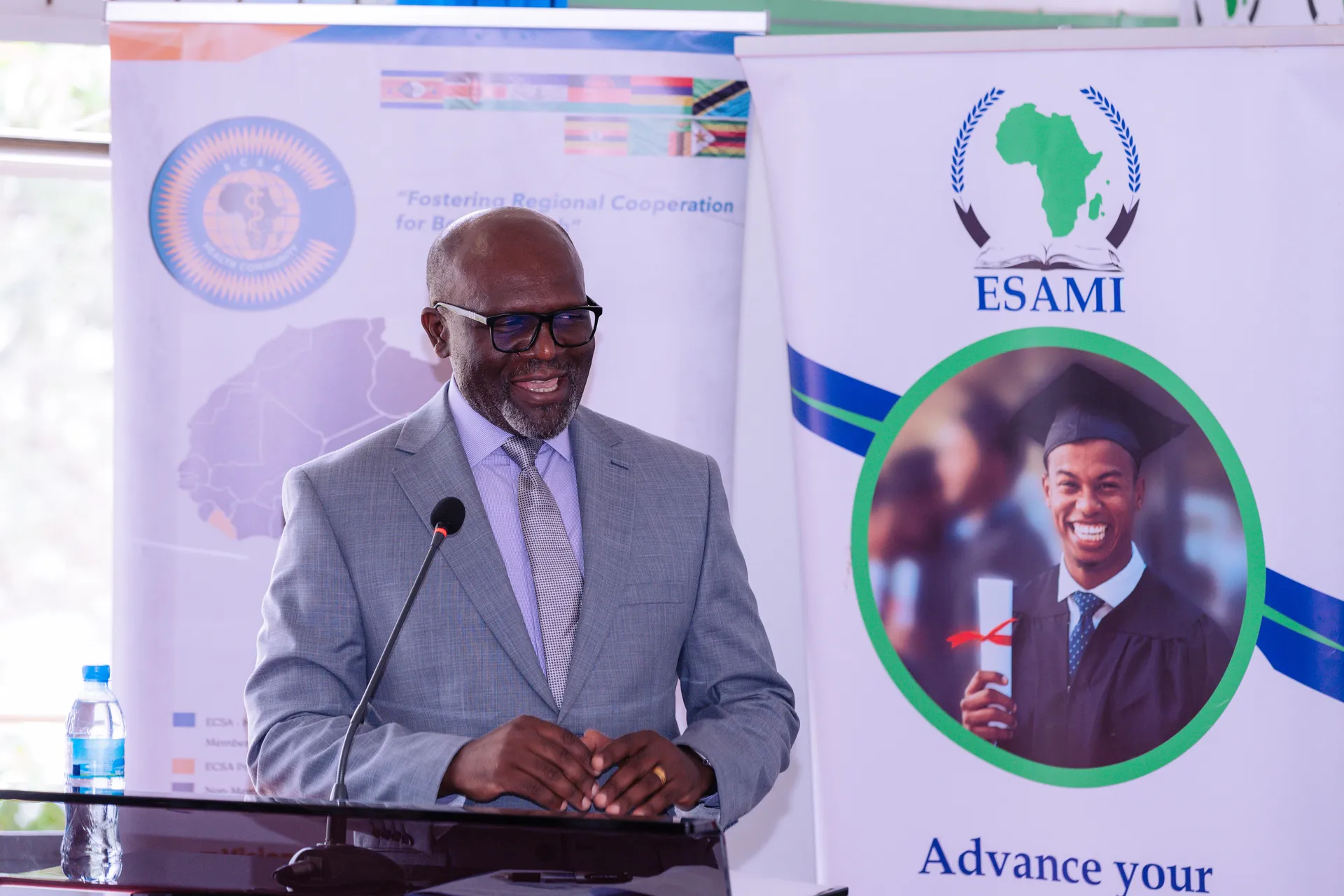
Speaking on behalf of ESAMI, Associate Professor David M. Kalaba, Deputy Director General, described the partnership as an opportunity to connect leadership and management expertise with the institutional capabilities required to strengthen health systems.
He noted that Africa has developed numerous health policies, strategies and regional commitments, but the challenge often lies in ensuring that these translate into functional institutions, efficient resource utilisation and improved healthcare services.
"The missing link is often the quality of leadership, institutional capacity, governance and management of available resources. This is precisely where the strategic value of our partnership lies: connecting regional health expertise with the leadership and institutional capabilities required to deliver results."
Prof. Kalaba emphasised that the MoU must become a practical platform for cooperation, particularly in leadership and institutional development, health financing and governance, and research, innovation and knowledge exchange.
He further called on the respective technical teams to establish a clear implementation framework outlining priorities, responsibilities, timelines and measurable outcomes to ensure that the partnership delivers tangible benefits.
To support this process, the agreement provides for designated institutional focal persons and a Joint Technical Committee responsible for developing annual workplans, reviewing progress and preparing implementation reports. This arrangement is intended to strengthen coordination, clarify responsibilities and promote accountability in the execution of agreed activities.
A partnership rooted in a shared commitment to people
The MoU signing took place alongside the official launch of joint ECSA-HC and ESAMI institutional wellness activities under the theme "Healthy People, Strong Institutions and Transformative Partnerships."
The two milestones reflect a shared understanding that strong institutions are built by healthy, motivated and productive people, just as sustainable health outcomes depend on capable institutions and effective leadership.
Addressing staff and participants during the occasion, Dr. Kapologwe underscored the importance of institutions practising the health principles they advocate.
"We cannot effectively champion healthy populations if we neglect our own health and well-being. We must practise what we advocate!"
He highlighted the growing burden of non-communicable diseases, including diabetes, hypertension, cardiovascular diseases and cancers, across the region, stressing the importance of prevention, early detection and integrating essential health services into primary healthcare.
The wellness initiative, which included health screening and activities promoting healthier lifestyles, provided a practical demonstration of the institutions' commitment to building healthier and more productive workplaces.
The connection between the two initiatives is significant: while the wellness programme invests in the wellbeing of the people who sustain institutions, the MoU invests in the leadership, systems and institutional capacities needed to improve health outcomes for communities.
Advancing a shared regional development agenda
Through this partnership, ECSA-HC and ESAMI seek to expand opportunities for joint programmes, technical collaboration, research partnerships and resource mobilisation in support of governments and health institutions across the region.
The agreement also creates a platform for drawing on regional expertise and institutional networks to address capacity gaps, strengthen health-sector governance and support the implementation of national and regional health priorities.